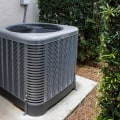
The HVAC market is currently navigating a complex landscape shaped by various economic and environmental factors. As we move into 2023, understanding the dynamics of this industry is crucial for homeowners and businesses alike. Recent trends indicate a significant fluctuation in HVAC prices , driven by ongoing supply chain disruptions and rising material costs. These challenges have not only affected the availability of essential components but have also led to increased labor costs, making it imperative for consumers to stay informed about their options, much like understanding the Cost of Laser Hair Removal for the services they seek.One of the most pressing issues facing the HVAC industry today is the impact of global supply chain constraints.
The pandemic has exposed vulnerabilities in manufacturing and distribution networks, leading to delays and shortages of critical parts. For instance, components like compressors and refrigerants have seen substantial price hikes due to limited availability. This situation has forced many HVAC companies to adjust their pricing strategies, resulting in higher costs for consumers seeking HVAC repair nearby or new installations.Moreover, as environmental regulations tighten, manufacturers are increasingly investing in innovative technologies that comply with new standards. This shift towards more energy-efficient systems is commendable but often comes with a higher upfront cost.
Homeowners may find themselves weighing the benefits of investing in advanced HVAC systems against the immediate financial implications. Understanding these trends will not only help consumers make informed decisions but also prepare them for potential price increases in the near future.
Factors Influencing HVAC Prices in 2023
As we look ahead to 2023, several key factors are poised to significantly influence HVAC prices. Understanding these elements is essential for both consumers and businesses, as they navigate the complexities of the heating, ventilation, and air conditioning market.1.Inflationary Pressures
Inflation has been a persistent issue affecting various sectors, and the HVAC industry is no exception. Rising costs of raw materials, labor, and transportation are driving up prices.
For instance, the cost of metals such as copper and aluminum, which are crucial for HVAC systems, has seen substantial increases. This inflationary trend is expected to continue into 2023, making it imperative for consumers to budget accordingly when considering HVAC repair nearby.
2.Supply Chain Disruptions
The global supply chain has faced unprecedented challenges in recent years, leading to delays and shortages of essential components for HVAC systems. Factors such as shipping delays, port congestion, and geopolitical tensions have all contributed to these disruptions. As manufacturers struggle to source materials and components, the resulting scarcity can lead to increased prices for consumers.
Homeowners looking for HVAC repair nearby may find that service costs rise due to these supply chain issues.
3.Labor Shortages
The HVAC industry is also grappling with a shortage of skilled labor. As experienced technicians retire or leave the workforce, there are not enough qualified individuals to fill these roles. This labor shortage can lead to higher wages for technicians, which in turn raises service costs for consumers. Companies may need to increase their prices to attract and retain skilled workers, further impacting overall HVAC pricing.
4.Technological Advancements
While some technological advancements can lead to cost savings in the long run, the initial investment in new technologies can drive up prices in the short term.
For example, systems that utilize smart technology or energy-efficient components may have higher upfront costs but offer long-term savings on energy bills. Consumers should weigh these factors when considering upgrades or repairs.In summary, the interplay of inflationary pressures, supply chain disruptions, labor shortages, and technological advancements will shape the landscape of HVAC pricing in 2023. By staying informed about these factors, consumers can make better decisions regarding their heating and cooling needs.
The Role of Technology in Shaping Future HVAC Costs
As we look towards the future of HVAC pricing, it is essential to consider the significant role that technology plays in shaping costs. The HVAC industry is undergoing a transformation driven by advancements in technology, which not only enhance system performance but also influence pricing structures.Advancements in HVAC Technology
Recent innovations in HVAC technology have led to the development of more energy-efficient systems. These systems are designed to consume less energy while providing optimal heating and cooling, which can result in substantial savings on utility bills.For instance, modern heat pumps and variable refrigerant flow (VRF) systems are becoming increasingly popular due to their ability to adjust output based on real-time demand, thereby reducing energy consumption.
Energy-Efficient HVAC Systems
Energy-efficient HVAC systems often come with a higher upfront cost; however, they can lead to significant long-term savings. The initial investment is offset by lower energy bills and potential tax incentives or rebates offered by local governments for using environmentally friendly technologies. Homeowners and businesses that invest in these systems can expect a return on investment through reduced operational costs over time.Smart HVAC Solutions
The rise of smart HVAC solutions is another factor influencing future pricing. Smart thermostats and IoT-enabled devices allow users to monitor and control their HVAC systems remotely.These technologies not only enhance comfort but also optimize energy usage by learning user preferences and adjusting settings accordingly. As these smart solutions become more mainstream, they may lead to a decrease in service costs due to improved system efficiency and reduced wear and tear.Moreover, the integration of artificial intelligence (AI) into HVAC systems is paving the way for predictive maintenance. By analyzing data from various sensors, AI can predict when a system is likely to fail or require maintenance, allowing for timely interventions that can prevent costly repairs. This proactive approach can significantly reduce long-term operational costs.In conclusion, as technology continues to evolve, it will play a crucial role in shaping the future of HVAC prices.
By investing in energy-efficient and smart HVAC solutions, consumers can not only enhance their comfort but also achieve significant cost savings over time.
Regional Variations in HVAC Pricing
The pricing of HVAC systems and services can significantly differ across various regions in the United States. These variations are influenced by several factors, including local demand, labor costs, and climate conditions. Understanding these regional differences is crucial for homeowners and businesses looking to make informed decisions about their HVAC needs.Local Demand
In areas with extreme weather conditions, such as hot summers or cold winters, the demand for HVAC systems tends to be higher. For instance, states like Arizona and Florida experience intense heat, leading to a greater need for air conditioning units.
Conversely, northern states may see a spike in demand for heating systems during the winter months. This fluctuating demand can drive prices up in regions where HVAC services are in high demand.
Labor Costs
Labor costs also play a significant role in determining HVAC prices. Regions with a higher cost of living typically have higher wages for skilled technicians. For example, urban areas like New York City or San Francisco may have elevated service rates compared to rural areas.
Homeowners should consider these labor costs when seeking HVAC repair nearby, as they can impact the overall expense of installation or repair services.
Climate Conditions
The climate of a region directly affects the type of HVAC systems that are most commonly used and their associated costs. In warmer climates, energy-efficient air conditioning units may be more prevalent, while colder regions might focus on heating systems. Additionally, local regulations regarding energy efficiency can influence pricing; areas with stricter environmental standards may see higher costs due to the need for advanced technology.
Finding Reliable Services
When searching for HVAC repair nearby, it’s essential to consider local companies that understand the specific needs of your region. Local contractors are often more familiar with the climate-related challenges and can provide tailored solutions that meet both your budget and comfort requirements.
Always check reviews and ask for recommendations to ensure you choose a reputable service provider.In conclusion, understanding regional variations in HVAC pricing is vital for making informed decisions about your heating and cooling needs. By considering local demand, labor costs, and climate conditions, homeowners can better navigate the complexities of HVAC pricing and find reliable services that suit their specific requirements.
Consumer Behavior and Its Impact on HVAC Pricing
Understanding consumer behavior is crucial for HVAC companies as it directly influences pricing strategies and service offerings. As we move into 2023 and beyond, several trends are emerging that reflect how consumers are making decisions regarding HVAC systems and services.One significant trend is the increasing demand for energy-efficient systems. Consumers are becoming more environmentally conscious and are actively seeking out HVAC solutions that not only reduce their carbon footprint but also lower energy bills.This shift in preference has led manufacturers to invest in advanced technologies, which can increase production costs. Consequently, these costs may be passed on to consumers, affecting overall pricing.Additionally, the rise of smart home technology is reshaping consumer expectations. Homeowners are now looking for HVAC systems that can integrate seamlessly with their smart devices. This demand for connectivity and automation often results in higher initial costs for advanced systems, but many consumers are willing to pay a premium for the convenience and efficiency they offer.Another factor influencing HVAC pricing is the growing trend of online research before purchasing.
Consumers are increasingly turning to the internet to compare prices, read reviews, and seek recommendations for HVAC repair nearby. This behavior has made transparency in pricing more critical than ever. Companies that provide clear, upfront pricing and detailed service descriptions tend to attract more customers, while those that do not may struggle to compete.Moreover, customer preferences for service providers are evolving. Many consumers now prioritize companies that offer flexible financing options or maintenance plans.
This shift indicates a willingness to invest in long-term relationships with service providers rather than opting for the cheapest option available. As a result, HVAC companies may need to adjust their pricing models to accommodate these preferences while still maintaining profitability.In summary, consumer behavior is a dynamic force shaping the HVAC industry. As trends such as energy efficiency, smart technology integration, online research, and preference for comprehensive service offerings continue to evolve, HVAC companies must adapt their pricing strategies accordingly to meet consumer demands and remain competitive in the market.
Predictions for Future HVAC Prices Beyond 2023
As we look ahead to the future of HVAC prices beyond 2023, several key factors will play a significant role in shaping the landscape of the industry. Understanding these elements can help consumers and businesses alike prepare for potential changes in costs associated with HVAC repair nearby and new installations.Economic Trends and Inflation:
The ongoing economic recovery from the pandemic has led to fluctuating inflation rates, which are expected to continue influencing HVAC prices.
As manufacturers face rising costs for raw materials and labor, these expenses are likely to be passed on to consumers. Economic forecasts suggest that inflation may stabilize but remain above pre-pandemic levels, indicating that HVAC prices could see gradual increases over the next few years.
Technological Advancements:
The HVAC industry is witnessing rapid technological advancements, particularly in energy efficiency and smart home integration. While these innovations often come with higher upfront costs, they can lead to long-term savings on energy bills. As more consumers opt for energy-efficient systems, the demand for advanced HVAC solutions may drive prices up initially, but competition among manufacturers could eventually stabilize costs.
Regulatory Changes:
Government regulations aimed at reducing carbon emissions and promoting energy efficiency are also expected to impact HVAC pricing.
New standards may require manufacturers to invest in cleaner technologies, which could lead to increased production costs. However, these regulations may also incentivize consumers to upgrade their systems, potentially offsetting some of the price increases through rebates and tax credits.
Market Demand:
The demand for HVAC systems is projected to grow as more homeowners and businesses prioritize indoor air quality and climate control. This heightened demand could lead to price increases, especially during peak seasons when HVAC repair nearby services are in high demand. Additionally, as more people work from home, the need for efficient heating and cooling solutions will likely rise.In conclusion, while predicting exact price points can be challenging due to the interplay of various factors, it is clear that both economic conditions and technological advancements will significantly influence HVAC pricing trends in the coming years.
Staying informed about these developments will be crucial for consumers looking to make informed decisions regarding their HVAC needs.
Tips for Homeowners: Navigating Rising HVAC Costs
As HVAC prices continue to rise, homeowners are increasingly seeking ways to manage their heating and cooling costs effectively. Here are some practical tips to help you navigate these challenges while ensuring your HVAC system operates efficiently.Regular Maintenance is Key
One of the most effective ways to save on HVAC costs is through regular maintenance. A well-maintained system not only runs more efficiently but also has a longer lifespan. Here are some maintenance tips:- Change Filters Regularly: Dirty filters can restrict airflow, making your system work harder.
Check and replace filters every 1-3 months, depending on usage.
- Schedule Professional Inspections: Have a qualified technician inspect your system at least once a year. They can identify potential issues before they become costly repairs.
- Clean the Outdoor Unit: Ensure that the outdoor condenser unit is free from debris, such as leaves and dirt, which can hinder performance.
Energy-Saving Strategies
Implementing energy-saving strategies can significantly reduce your HVAC expenses. Consider the following:- Invest in a Programmable Thermostat: A programmable thermostat allows you to set temperatures according to your schedule, reducing energy use when you're not home.
- Seal Ducts and Insulate: Leaky ducts can waste a significant amount of energy. Sealing ducts and adding insulation can improve efficiency and comfort.
- Utilize Ceiling Fans: Ceiling fans can help circulate air, allowing you to set your thermostat a few degrees higher in summer and lower in winter without sacrificing comfort.
Consider Upgrading Your System
If your HVAC system is over 10 years old, it may be time to consider an upgrade.Newer models are often more energy-efficient and can save you money in the long run. Look for systems with high SEER (Seasonal Energy Efficiency Ratio) ratings for optimal performance.By following these tips, homeowners can effectively manage rising HVAC costs while maintaining a comfortable living environment. Regular maintenance, energy-saving strategies, and timely upgrades are essential components of an efficient HVAC system.
Frequently Asked Questions About HVAC Pricing Trends
As homeowners and business operators navigate the complexities of HVAC pricing, several common questions arise regarding the factors influencing costs and the trends shaping the industry. Below are some frequently asked questions that can help clarify these issues.What factors influence HVAC pricing?
HVAC pricing is affected by a variety of factors, including:- Equipment Type: The brand, model, and efficiency rating of HVAC systems can significantly impact costs.
High-efficiency units often come with a higher upfront price but can lead to savings on energy bills over time.
- Installation Complexity: The complexity of the installation process, including ductwork modifications or the need for additional electrical work, can increase labor costs.
- Seasonal Demand: Prices may fluctuate based on seasonal demand. For instance, during peak summer or winter months, HVAC services may be in higher demand, leading to increased prices.
- Location: Geographic location plays a role in pricing due to variations in labor costs and local market conditions.
How often do HVAC prices change?
HVAC prices can change frequently due to various factors such as inflation, supply chain disruptions, and changes in manufacturing costs. It is not uncommon for manufacturers to announce price increases annually or biannually. Staying informed about these changes can help consumers make timely decisions regarding their HVAC needs.Are there ways to save on HVAC costs?
Yes, there are several strategies homeowners can employ to save on HVAC costs:- Regular Maintenance: Scheduling regular maintenance can prevent costly repairs and extend the lifespan of your system.
- Energy Efficiency Upgrades: Investing in energy-efficient systems or components can lead to significant savings on utility bills.
- Comparing Quotes: Obtaining multiple quotes from HVAC repair nearby services can help ensure you get the best price for installation or repairs.
Conclusion: Preparing for the Future of HVAC Pricing
As we look ahead to the future of HVAC pricing, it is essential to recognize the various factors that will influence costs in 2023 and beyond.The HVAC industry is currently navigating a complex landscape shaped by global supply chain disruptions, rising material costs, and evolving consumer demands. Understanding these dynamics is crucial for homeowners and businesses alike, especially when considering HVAC repair nearby options.Throughout this article, we have explored how inflationary pressures and regulatory changes are likely to impact pricing structures. Companies like Lennox and WaterFurnace have already indicated that price increases are on the horizon, driven by the rising costs of essential components such as refrigerants. This trend underscores the importance of staying informed about market conditions and potential price fluctuations.Moreover, the shift towards more energy-efficient systems and sustainable practices is reshaping the HVAC landscape.
Homeowners may find that investing in modern, eco-friendly systems not only reduces their carbon footprint but also offers long-term savings on energy bills. As such, it is vital to consider both immediate costs and future savings when evaluating HVAC options.In conclusion, preparing for the future of HVAC pricing requires vigilance and proactive planning. Homeowners should:
- Stay Informed: Regularly check for updates on pricing trends and new technologies in the HVAC industry.
- Consult Professionals: Engage with local HVAC experts to understand your specific needs and get tailored advice on repairs or upgrades.
- Plan Ahead: Consider budgeting for potential price increases in your home maintenance plans.