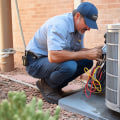
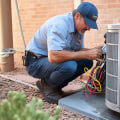
For homeowners, understanding furnace repair costs is crucial, especially as the colder months approach. A malfunctioning furnace can lead to not only discomfort but also unexpected financial burdens. Many homeowners may not realize that the expenses associated with furnace repairs can vary significantly based on several factors, including the age of the unit, the type of repair needed, and the availability of HVAC repair nearby. By familiarizing themselves with these costs, homeowners can better prepare for potential issues and make informed decisions regarding their heating systems.One of the primary reasons for high furnace repair costs is the complexity of modern heating systems.
Furnaces are intricate machines that rely on various components working in harmony to provide warmth. When one part fails, it can lead to a cascade of issues that require professional intervention. This is where timely furnace maintenance becomes essential. Regular check-ups can help identify minor problems before they escalate into major repairs, ultimately saving homeowners money in the long run.Moreover, understanding the typical expenses associated with furnace repairs can empower homeowners to take proactive measures.
For instance, knowing when to call for help or when to schedule routine maintenance can prevent costly breakdowns. Additionally, being aware of local HVAC services allows homeowners to quickly find reliable technicians who can address their needs efficiently. In this article, we will delve deeper into the various factors contributing to high furnace repair costs and explore strategies for minimizing these expenses while ensuring your heating system operates smoothly.
Common Reasons for Furnace Repairs
Understanding the common reasons for furnace repairs can empower homeowners to take proactive measures, potentially saving them from costly breakdowns. Here are some of the most frequent issues that lead to furnace repairs:- Dirty Filters: One of the simplest yet most overlooked causes of furnace issues is a dirty air filter.
When filters become clogged with dust and debris, airflow is restricted, causing the furnace to work harder than necessary. This can lead to overheating and eventual failure. Regularly changing or cleaning filters can significantly extend the life of your furnace.
- Thermostat Problems: A malfunctioning thermostat can cause your furnace to operate inefficiently or not at all. If your home isn’t heating properly, it may be due to a faulty thermostat that fails to communicate the correct temperature settings.
Upgrading to a programmable or smart thermostat can enhance efficiency and comfort.
- Ignition Issues: Furnaces rely on ignition systems to start the heating process. Problems with pilot lights or electronic ignition systems can prevent your furnace from igniting. Regular maintenance checks can help identify these issues before they lead to complete breakdowns.
- Blower Motor Failures: The blower motor is responsible for circulating warm air throughout your home. If it malfunctions, you may notice that your home isn’t heating evenly or at all.
This issue often requires professional HVAC repair nearby to diagnose and fix.
- Leaking Ducts: Ductwork that is damaged or improperly sealed can lead to significant heat loss, making your furnace work harder and increasing energy bills. Regular inspections can help identify leaks early, allowing for timely repairs.
- Age of the Furnace: As furnaces age, their components wear out, leading to more frequent repairs. If your furnace is over 15 years old, it may be time to consider a replacement rather than ongoing repairs.
The Most Expensive Components of a Furnace
When it comes to furnace repairs, understanding the most expensive components can help homeowners prepare for potential costs and make informed decisions.The three primary parts that often lead to significant expenses are the fan motor , circuit boardcircuit board , and draft inducer motor. Each of these components plays a vital role in the overall functionality of your heating system.
The Fan Motor
The fan motor is essential for circulating warm air throughout your home. It pulls air from the return ducts, passes it through the heat exchanger, and distributes it via supply ducts. If the fan motor fails, your furnace will struggle to circulate heat, leaving your home cold and uncomfortable.Replacing a fan motor can be particularly costly, as it often requires replacing the entire blower assembly.Additionally, this repair typically necessitates professional assistance, which can further increase expenses. To mitigate these costs, homeowners should prioritize regular maintenance checks to ensure the fan motor is functioning correctly and address any issues promptly.
The Circuit Board
The circuit board acts as the brain of your furnace, controlling its various functions based on signals received from the thermostat and other sensors. A malfunctioning circuit board can lead to a complete shutdown of your heating system, making it impossible to adjust temperature settings or turn the furnace on or off.Replacing a circuit board is not only expensive but also requires specialized knowledge and skills. This is not a DIY project; it should only be handled by trained professionals.Regular maintenance can help identify early signs of circuit board issues, potentially saving you from costly replacements down the line.
The Draft Inducer Motor
The draft inducer motor is crucial for maintaining proper airflow within your furnace. It pulls air into the combustion chamber while expelling exhaust gases outside your home. A failure in this component can lead to dangerous levels of carbon monoxide buildup, posing serious health risks to you and your family.Like the other components mentioned, replacing a draft inducer motor can be quite expensive and requires professional installation. To avoid such high costs and ensure safety, homeowners should schedule regular maintenance checks and address any signs of trouble with this component immediately.In summary, understanding these expensive furnace parts—fan motor, circuit board, and draft inducer motor—is crucial for homeowners.By being proactive with maintenance and repairs, you can avoid unexpected expenses and keep your heating system running efficiently.
Understanding Labor Costs in Furnace Repairs
When it comes to furnace repairs, understanding the labor costs involved is crucial for homeowners. Labor costs can significantly impact the overall expense of a repair job, often accounting for a large portion of the total bill. Several factors influence these costs, including the experience of the HVAC technician, regional pricing variations, and the complexity of the repair itself.Technician Experience
The experience level of the HVAC technician plays a vital role in determining labor costs. Technicians with extensive training and years of hands-on experience typically charge higher rates than those who are just starting in the field.
This is because seasoned professionals can diagnose issues more quickly and accurately, potentially saving you money in the long run. Additionally, experienced technicians are often more familiar with various furnace models and brands, which can lead to more efficient repairs.
Regional Pricing Variations
Labor costs can also vary significantly based on geographic location. In urban areas where the cost of living is higher, you may find that HVAC technicians charge more for their services compared to those in rural regions. It's essential to research local rates and consider obtaining multiple quotes from different service providers to ensure you're getting a fair price.
Websites that list HVAC repair nearby can be helpful in finding competitive rates in your area.
Complexity of Repairs
The nature of the repair itself can also affect labor costs. Simple fixes, such as replacing a thermostat or cleaning filters, may require less time and expertise, resulting in lower labor charges. In contrast, more complex issues—like replacing a fan motor or circuit board—can take longer and require specialized knowledge, leading to higher labor costs. Understanding the specific problem with your furnace can help you anticipate potential expenses.In conclusion, when budgeting for furnace repairs, it's essential to consider labor costs as a significant factor.
By understanding how technician experience, regional pricing variations, and repair complexity influence these costs, homeowners can make informed decisions and potentially save money on their HVAC repairs.
The Importance of Regular Maintenance
Regular maintenance of your furnace is not just a good practice; it is essential for ensuring the longevity and efficiency of your heating system. By investing time and effort into routine checks, you can significantly reduce the likelihood of costly repairs down the line. Here are some key benefits of maintaining your furnace:- Increased Efficiency: A well-maintained furnace operates more efficiently, which can lead to lower energy bills. Regular cleaning and servicing help ensure that all components are functioning optimally.
- Extended Lifespan: Just like any other appliance, furnaces have a lifespan that can be extended with proper care.
Regular maintenance can help identify potential issues before they become major problems, allowing you to get the most out of your investment.
- Improved Safety: Furnaces that are not properly maintained can pose safety risks, including carbon monoxide leaks. Regular inspections can help detect these hazards early, ensuring a safe environment for you and your family.
- Enhanced Comfort: A well-maintained furnace provides consistent heating throughout your home, preventing cold spots and ensuring that every room is comfortable during the winter months.
- Change Filters Regularly: Dirty filters restrict airflow and reduce efficiency. Check and replace your filters every 1-3 months, especially during peak usage seasons.
- Schedule Professional Inspections: Hire an HVAC technician for an annual inspection. They can perform thorough checks and tune-ups that are beyond the scope of DIY maintenance.
- Inspect Ductwork: Ensure that your ductwork is clean and free from obstructions.
Leaks in ducts can lead to significant energy loss and uneven heating.
- Test Safety Features: Regularly check safety features such as carbon monoxide detectors and emergency shut-off switches to ensure they are functioning correctly.
- Keep the Area Around the Furnace Clear: Ensure that there is no clutter around your furnace that could obstruct airflow or pose a fire hazard.
When to Call for Professional Help
Recognizing when to seek professional HVAC services is crucial for maintaining the efficiency and safety of your furnace. While some minor issues can be addressed with DIY solutions, there are specific signs that indicate it's time to call in the experts.Ignoring these signs can lead to more significant problems and costly repairs down the line.
Common Signs of Furnace Issues
- Unusual Noises: If your furnace starts making strange sounds such as banging, clanking, or squealing, it could indicate a mechanical issue. These noises often suggest that components are loose or failing, which requires professional assessment.
- Inconsistent Heating: If certain rooms in your home are significantly colder than others, or if your furnace is struggling to maintain the set temperature, it may be time to call for HVAC repair. This inconsistency can stem from ductwork issues or a failing furnace component.
- Frequent Cycling: A furnace that turns on and off frequently may be experiencing short cycling, which can lead to increased wear and tear. This issue often requires a technician to diagnose and fix the underlying cause.
- Increased Energy Bills: A sudden spike in your energy bills without a corresponding increase in usage can indicate that your furnace is working harder than it should.
This inefficiency often points to a need for professional evaluation.
- Yellow Burner Flame: The burner flame in a gas furnace should be blue. A yellow or flickering flame can indicate incomplete combustion and the potential for carbon monoxide production, which is a serious safety hazard.
- Foul Odors: Any strange smells coming from your furnace, especially a burning smell or the scent of gas, should be taken seriously. These odors can signal dangerous conditions that require immediate professional attention.
Regular maintenance checks by certified HVAC professionals can also help prevent these issues from arising in the first place.In summary, knowing when to call for HVAC repair is vital for ensuring your furnace operates safely and efficiently. By being aware of the signs of potential issues, you can take proactive steps to maintain your heating system and avoid costly repairs.
Cost-Saving Tips for Furnace Repairs
When it comes to furnace repairs, costs can quickly add up, leaving homeowners feeling overwhelmed. However, there are several strategies you can employ to save money while ensuring your heating system remains efficient and effective. Here are some practical tips for cost-saving furnace repairs that can help you manage your budget without sacrificing quality.- Regular Maintenance: One of the most effective ways to avoid costly repairs is to schedule regular maintenance for your furnace.
This includes annual inspections and tune-ups by a qualified technician. Regular maintenance can identify potential issues before they escalate into major problems, saving you money in the long run.
- DIY Checks: Homeowners can perform simple checks themselves, such as replacing air filters regularly and ensuring that vents are clear of obstructions. Keeping your furnace clean and well-ventilated can improve its efficiency and reduce wear and tear.
- Shop Around for HVAC Services: When you need professional help, don’t settle for the first HVAC repair service you find. Take the time to compare prices and services from multiple providers in your area.
Look for reviews and ask for recommendations from friends or family to find reputable contractors who offer competitive pricing.
- Consider Repair vs. Replacement: If your furnace is older and requires frequent repairs, it may be more cost-effective to invest in a new unit rather than continuing to pay for repairs. Consult with a professional to evaluate the condition of your furnace and discuss whether a replacement might be a better long-term investment.
- Look for Discounts and Promotions: Many HVAC companies offer seasonal promotions or discounts on maintenance services. Keep an eye out for these deals, especially during off-peak seasons when demand is lower.
- Energy Efficiency Upgrades: Investing in energy-efficient upgrades can lead to significant savings on your utility bills.
Consider upgrading to a high-efficiency furnace or adding insulation to your home to reduce the workload on your heating system.
FAQs About Furnace Repairs and Costs
When it comes to furnace repairs, homeowners often have numerous questions regarding costs, processes, and what to expect. Here are some of the most frequently asked questions about furnace repairs and their associated costs.What are the common signs that my furnace needs repair?
There are several indicators that your furnace may require attention:- Unusual Noises: If you hear banging, clanking, or squealing sounds, it could indicate mechanical issues.
- Inconsistent Heating: Rooms that are not heating evenly may suggest a problem with the furnace or ductwork.
- Increased Energy Bills: A sudden spike in your energy costs can be a sign that your furnace is working harder than it should.
- Yellow Burner Flame: A healthy furnace should have a blue flame. A yellow flame may indicate incomplete combustion and potential safety hazards.
- Frequent Cycling: If your furnace turns on and off frequently, it may be struggling to maintain the desired temperature.
How much does furnace repair typically cost?
The cost of furnace repairs can vary widely based on several factors, including the type of repair needed and your location.On average, homeowners can expect to pay between $150 and $1,000. Here’s a breakdown of common repair costs:
- Thermostat Replacement: $100 - $300
- Blower Motor Replacement: $300 - $600
- Circuit Board Replacement: $200 - $500
- Heat Exchanger Repair: $500 - $1,000
Should I attempt DIY repairs?
While some minor maintenance tasks can be performed by homeowners, such as changing filters or cleaning vents, most repairs should be left to professionals. Attempting DIY repairs can lead to further damage or safety hazards. It’s advisable to contact an HVAC repair nearby for any significant issues.How can I prevent costly repairs?
The best way to avoid expensive repairs is through regular maintenance.Schedule annual inspections with a qualified technician who can identify potential issues before they escalate. Additionally, ensure that your furnace is clean and that air filters are replaced regularly.If you have more questions about your specific situation or need assistance with repairs, don’t hesitate to reach out to a local HVAC professional for guidance.
Conclusion: Navigating Furnace Repair Costs Wisely
In summary, understanding the intricacies of furnace repair costs is essential for homeowners looking to maintain a comfortable and safe living environment. Throughout this article, we have explored the various components that contribute to the overall expenses associated with furnace repairs, emphasizing the significance of proactive maintenance and timely interventions.One of the most critical takeaways is the identification of the most expensive parts of a furnace, such as the fan motor, circuit board, and draft inducer motor. Each of these components plays a vital role in ensuring your heating system operates efficiently.When these parts fail, not only do you face high replacement costs, but you also risk compromising your home’s safety and comfort.To navigate these costs wisely, consider implementing a regular maintenance schedule for your furnace. This can include:
- Annual inspections by a qualified HVAC technician.
- Regular filter changes to ensure optimal airflow.
- Promptly addressing any unusual noises or performance issues.
- Keeping an eye on your energy bills for unexpected increases that may indicate inefficiencies.