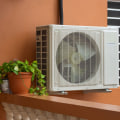
The HVAC industry is undergoing a significant transformation, primarily driven by the introduction of new efficiency standards. These standards are not just regulatory measures; they represent a crucial shift towards more sustainable energy consumption and environmental responsibility. As homeowners become increasingly aware of their carbon footprints and energy costs, understanding these efficiency standards becomes essential. The new regulations aim to enhance the performance of heating, ventilation, and air conditioning systems, ensuring they operate more efficiently while reducing energy waste.One of the most pressing concerns for homeowners is how these changes will impact HVAC prices.
With the implementation of stricter efficiency requirements, manufacturers are compelled to innovate and produce units that meet these new benchmarks. This often results in higher production costs, which can translate into increased prices for consumers. However, it’s important to recognize that while the initial investment may be higher, the long-term savings on energy bills can offset these costs significantly. Homeowners who invest in high-efficiency systems can expect to see a reduction in their monthly utility expenses, making it a financially sound decision in the long run.Moreover, as these standards take effect, the availability of older, less efficient models will diminish.
This scarcity can lead to a surge in demand for newer units that comply with the latest regulations. For those searching for HVAC repair nearby, it’s crucial to consider how these changes might affect service availability and pricing. As older systems become obsolete, homeowners may find themselves needing repairs or replacements sooner than anticipated. Understanding the implications of these efficiency standards not only prepares homeowners for potential costs but also empowers them to make informed decisions about their HVAC systems.
Overview of New Efficiency Standards in HVAC
The HVAC industry is undergoing significant changes with the introduction of new efficiency standards that aim to enhance energy conservation and reduce environmental impact.These standards primarily focus on the Seasonal Energy Efficiency Ratio (SEER) ratings, which measure the cooling efficiency of air conditioning systems. Understanding these changes is essential for both consumers and professionals in the field.One of the most notable updates is the increase in minimum SEER ratings mandated by the Department of Energy (DOE). As of January 1, 2023, the minimum SEER rating for residential air conditioning systems has been raised from 13 to 14 in most regions. This change reflects a growing emphasis on energy efficiency, as higher SEER ratings indicate that a unit can provide more cooling output per unit of energy consumed.In addition to SEER ratings, the new standards also introduce the SEER2 metric, which offers a more accurate representation of a system's efficiency under real-world conditions.
The SEER2 testing procedures take into account various factors such as airflow and temperature variations, providing a clearer picture of how systems will perform in actual use. This shift aims to ensure that consumers are investing in equipment that not only meets regulatory requirements but also delivers genuine energy savings.Moreover, these new efficiency standards are not limited to air conditioning units; they also apply to heat pumps and other HVAC equipment. For instance, heat pumps now have updated performance metrics that align with the new SEER2 guidelines, ensuring that all types of heating and cooling systems contribute to energy conservation efforts.As a result of these changes, homeowners may notice an increase in initial costs when purchasing new HVAC systems. However, it is important to consider the long-term benefits.
Higher efficiency units typically lead to lower energy bills over time, making them a worthwhile investment despite their higher upfront price.In summary, the new HVAC efficiency standards represent a significant step towards promoting energy efficiency and sustainability within the industry. By understanding these changes, consumers can make informed decisions when considering HVAC repair nearby or upgrades to their existing systems.
How New Standards Affect HVAC Prices
The introduction of new efficiency standards in the HVAC industry has significantly impacted HVAC prices, leading to a noticeable increase in the cost of new units. These changes are primarily driven by several interrelated factors, including manufacturing costs, supply chain disruptions, and evolving market demand.One of the most immediate effects of the new standards is the increase in manufacturing costs. As manufacturers strive to meet higher efficiency ratings, they often need to invest in advanced technologies and materials.This investment translates into higher production costs, which are inevitably passed on to consumers. For instance, units that comply with the latest efficiency standards may incorporate more sophisticated components, such as variable-speed compressors and enhanced insulation, which contribute to their overall price.Additionally, supply chain issues have exacerbated the situation. The HVAC industry has faced significant challenges in sourcing materials due to global supply chain disruptions. Factors such as shipping delays, increased freight costs, and shortages of essential components have all contributed to rising prices.
As manufacturers struggle to keep up with demand while adhering to new regulations, the limited availability of compliant units further drives up costs.Market demand also plays a crucial role in shaping HVAC prices. With homeowners becoming increasingly aware of energy efficiency and its long-term benefits, there is a growing demand for high-efficiency systems. This trend has led to a competitive market where manufacturers are vying for consumer attention. However, as demand outpaces supply for compliant units, prices are likely to continue rising.In summary, the combination of increased manufacturing costs, supply chain challenges, and heightened market demand has resulted in a significant uptick in HVAC prices.
Homeowners looking for new systems should be prepared for these changes and consider acting sooner rather than later to avoid paying even higher prices as the industry adapts to these new standards.
The Long-Term Financial Implications for Homeowners
Investing in a higher-efficiency HVAC system can seem daunting due to the initial costs associated with purchasing and installing these units. However, when considering the long-term financial implications, homeowners may find that the benefits far outweigh the upfront expenses. Understanding how these systems can lead to significant savings on energy bills is crucial for making an informed decision.One of the primary advantages of upgrading to a more efficient HVAC system is the potential for reduced energy consumption. According to the U.S. Department of Energy, newer systems can be up to 30% more efficient than older models. This efficiency translates directly into lower monthly energy bills, which can accumulate to substantial savings over time.For instance, if a homeowner currently spends $200 per month on heating and cooling, switching to a high-efficiency system could reduce that bill by approximately $60 per month. Over a year, this amounts to $720 in savings.
When you consider that many HVAC systems have a lifespan of 15-20 years, the cumulative savings can reach into the thousands.Moreover, many utility companies offer incentives and rebates for homeowners who invest in energy-efficient systems. These financial incentives can help offset the initial costs, making it even more appealing to upgrade. Homeowners should check with their local utility providers to see what programs are available.Additionally, investing in a high-efficiency HVAC system can enhance the overall value of a home. Potential buyers are often willing to pay more for homes equipped with modern, efficient heating and cooling systems due to their lower operating costs and environmental benefits.
This means that not only do homeowners save money on energy bills, but they may also recoup some of their investment when selling their property.In conclusion, while the initial investment in a higher-efficiency HVAC system may be significant, the long-term financial implications are overwhelmingly positive. With reduced energy bills, potential rebates, and increased home value, homeowners can enjoy both immediate and lasting benefits from their investment.
The Role of Local HVAC Services in Navigating Changes
As homeowners face the challenges posed by new HVAC efficiency standards, the role of local HVAC services becomes increasingly vital. These professionals not only provide essential repair and installation services but also serve as trusted advisors who can help navigate the complexities of these changes.One of the primary benefits of engaging with local HVAC experts is their in-depth understanding of the specific regulations that affect your area. They are well-versed in the latest efficiency standards and can offer tailored advice on how these changes impact your current system and future purchases.This localized knowledge is crucial, as regulations can vary significantly from one region to another.Moreover, local HVAC services often have established relationships with manufacturers and suppliers, allowing them to access the latest products that meet new efficiency requirements. This means they can recommend systems that not only comply with regulations but also fit your budget and energy needs. By choosing a local service, you gain access to a wealth of resources that can simplify the decision-making process.In addition to installation and replacement, local HVAC technicians are invaluable for HVAC repair nearby. Regular maintenance and timely repairs are essential for ensuring that your system operates efficiently.
A well-maintained unit is less likely to require costly repairs or premature replacement, which can save you money in the long run. Local professionals can perform routine checks and address minor issues before they escalate into major problems.Furthermore, many local HVAC companies offer free estimates and consultations, making it easier for homeowners to assess their options without financial commitment. This transparency allows you to make informed decisions about whether to repair or replace your system based on its current condition and efficiency.In summary, as new efficiency standards reshape the HVAC landscape, local services play a crucial role in helping homeowners adapt. By providing expert advice, timely repairs, and access to compliant systems, these professionals ensure that you can navigate these changes effectively while maximizing comfort and minimizing costs.
Consumer Considerations When Upgrading HVAC Systems
Upgrading your HVAC system is a significant decision that can impact your home’s comfort, energy efficiency, and overall costs.As you consider this investment, there are several key factors to keep in mind to ensure you make an informed choice.
1.System Compatibility
- Before purchasing a new HVAC unit, assess the compatibility with your existing ductwork and home layout. Not all systems fit seamlessly into every home, and modifications may be necessary.
- Consider the size of the unit. An oversized or undersized system can lead to inefficiencies and increased energy costs. A professional evaluation can help determine the right size for your space.
2.Energy Efficiency Ratings
- Look for units with high SEER (Seasonal Energy Efficiency Ratio) ratings.
Higher ratings indicate better energy efficiency, which can lead to lower utility bills over time.
- New efficiency standards may require you to invest in more advanced systems, but these often come with long-term savings that can offset initial costs.
3.Installation Costs
- Installation costs can vary significantly based on the complexity of the job and the type of system you choose. Be sure to obtain multiple quotes from reputable contractors to compare prices.
- Inquire about any additional costs that may arise during installation, such as duct modifications or electrical upgrades.
4.Financing Options4.Financing Options
- Many HVAC companies offer financing plans that allow you to spread out the cost of your new system over time. This can make upgrading more manageable financially.
- Check for any available rebates or tax credits for energy-efficient systems, which can further reduce your overall expenditure.
5.Maintenance and Warranty
- Consider the maintenance requirements of the new system. Some units may require more frequent servicing than others, impacting long-term costs.
- Review warranty options carefully.
A robust warranty can provide peace of mind and protect your investment against unexpected repairs.
Frequently Asked Questions About HVAC Efficiency Standards and Pricing
As homeowners navigate the complexities of HVAC systems, many find themselves with questions regarding the new efficiency standards and how these changes affect pricing. Below are some of the most frequently asked questions that can help clarify these important topics.What are the new HVAC efficiency standards?
The new HVAC efficiency standards, primarily focused on Seasonal Energy Efficiency Ratio (SEER) ratings, have been updated to promote higher energy efficiency in heating and cooling systems. The Department of Energy has mandated that all new air conditioning units must meet a minimum SEER rating of 14 in most regions, with some areas requiring even higher ratings. This change aims to reduce energy consumption and lower greenhouse gas emissions.How do these standards impact HVAC prices?
With the introduction of higher efficiency standards, the initial cost of purchasing a new HVAC system has increased.Higher efficiency units typically require advanced technology and materials, which contribute to their higher price tags. However, while the upfront costs may be greater, these systems often lead to significant savings on energy bills over time.
Will I save money on my energy bills with a new system?
Yes, investing in a new, high-efficiency HVAC system can lead to substantial savings on your energy bills. For instance, a unit with a SEER rating of 16 can use up to 38% less energy than an older model with a SEER rating of 10. Over time, these savings can offset the initial investment in a more efficient system.Are there financing options available for new HVAC systems?
Many HVAC companies offer financing options to help homeowners manage the costs associated with purchasing a new system. These financing plans can make it easier to afford a high-efficiency unit without straining your budget.Be sure to inquire about available financing options when consulting with local HVAC professionals.
What should I consider when replacing my HVAC system?
- Age of your current system: If your unit is over 10 years old, it may be time for an upgrade. If your unit is over 10 years old, it may be time for an upgrade.
- Energy bills: Rising energy costs can indicate that your current system is inefficient.
- Repair frequency: If you find yourself frequently calling for repairs, it may be more cost-effective to invest in a new unit.
- Comfort levels: Inconsistent temperatures throughout your home can signal that your system is struggling.
Conclusion: The Future of HVAC Pricing and Efficiency Standards
As we look to the future of HVAC pricing and efficiency standards, it is clear that the landscape is evolving rapidly. The introduction of new regulations aimed at improving energy efficiency is not just a trend; it represents a significant shift in how HVAC systems are designed, manufactured, and sold. Homeowners must be proactive in understanding these changes to make informed decisions that will impact their comfort and finances.One of the most critical takeaways from this discussion is the direct correlation between efficiency standards and pricing. As manufacturers adapt to meet higher efficiency requirements, the costs associated with producing these advanced systems will inevitably rise.This means that consumers can expect to see an increase in the upfront costs of new HVAC units. However, it is essential to recognize that these higher initial investments can lead to substantial long-term savings on energy bills.Moreover, the urgency to replace older systems before the new standards take full effect cannot be overstated. Homeowners who delay their decisions may find themselves facing not only higher prices but also limited options as manufacturers phase out less efficient models. By acting sooner rather than later, consumers can take advantage of existing inventory and potentially save money.In addition to financial considerations, there are environmental implications tied to these new efficiency standards.
By investing in high-efficiency HVAC systems, homeowners contribute to reducing carbon emissions and promoting sustainability. This dual benefit of saving money while also being environmentally responsible is a compelling reason for consumers to embrace these changes.In conclusion, understanding the impact of new efficiency standards on HVAC pricing is crucial for homeowners. As the industry adapts to these regulations, staying informed will empower consumers to make choices that align with their budgetary constraints and environmental values. Whether you are considering a new installation or simply maintaining your current system, being aware of these trends will help you navigate the complexities of HVAC services effectively.