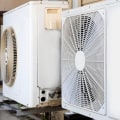
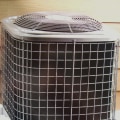
In today's world, the significance of HVAC systems cannot be overstated. These systems, which encompass heating, ventilation, and air conditioning, play a crucial role in ensuring indoor comfort throughout the year. Whether it’s the sweltering heat of summer or the biting cold of winter, a well-functioning HVAC system is essential for maintaining a pleasant living environment. Beyond mere comfort, these systems also contribute to energy efficiency and air quality, making them indispensable in modern homes and commercial spaces.
Additionally, homeowners may find that certain upgrades to their HVAC systems can qualify for a write off on taxes for home improvements, making it a financially savvy investment. Investing in a home warranty can help protect against unexpected repair bills related to these vital systems.Understanding the components and functionality of HVAC systems is vital for homeowners. An HVAC system typically includes a furnace or heat pump for heating, an air conditioner for cooling, and a ventilation system that circulates air throughout the space. This intricate network not only regulates temperature but also filters out pollutants and allergens, promoting a healthier indoor atmosphere. Additionally, homeowners may find that certain upgrades to their HVAC systems can qualify for a write off on taxes for home improvements, making it a financially savvy investment. Investing in a home warranty can help protect against unexpected repair bills related to these vital systems.Understanding the components and functionality of HVAC systems is vital for homeowners. An HVAC system typically includes a furnace or heat pump for heating, an air conditioner for cooling, and a ventilation system that circulates air throughout the space. This intricate network not only regulates temperature but also filters out pollutants and allergens, promoting a healthier indoor atmosphere.
As such, investing in a reliable HVAC system is not just about comfort; it’s about safeguarding your health and well-being.The benefits of having an efficient HVAC system extend beyond immediate comfort. For instance, modern systems are designed to be energy-efficient, which can lead to significant savings on utility bills over time. Additionally, many HVAC units come equipped with smart technology that allows homeowners to control their systems remotely, optimizing energy use even when they are away from home. This level of control not only enhances convenience but also contributes to environmental sustainability by reducing energy consumption.As we delve deeper into the topic of purchasing an HVAC system, it’s essential to recognize that timing plays a pivotal role in making an informed decision.
Understanding when to buy can lead to better deals and more favorable installation conditions. With this knowledge in hand, homeowners can ensure they are not only investing in their comfort but also making a wise financial choice.
When is the Best Time to Buy an HVAC System?
Determining the best time to buy an HVAC system can significantly impact your overall investment. While many homeowners might assume that purchasing during the off-peak seasons is the most economical choice, understanding the nuances of seasonal buying can lead to even greater savings and efficiency.Generally, the optimal seasons for purchasing an HVAC system are spring and fall. During these times, demand for heating and cooling systems tends to decrease, allowing homeowners to take advantage of lower prices and better availability.Here’s why these seasons stand out:
- Reduced Competition: In spring and fall, fewer homeowners are looking to replace their HVAC systems compared to the peak summer and winter months. This reduced competition means that you are more likely to receive personalized service and attention from HVAC professionals.
- Promotions and Discounts: Many HVAC companies offer special promotions during the off-peak seasons to encourage sales. These can include discounts on equipment, installation fees, or even financing options with lower interest rates.
- Better Scheduling Flexibility: With less demand, HVAC technicians have more availability for installations. This means you can schedule your installation at a time that is convenient for you, rather than waiting weeks for an appointment.
- Potential for Improved Efficiency: Purchasing during these seasons allows you to select from a wider range of models and brands.
You can take your time to research and choose a system that best fits your home’s needs without feeling rushed.
The Misconceptions About Buying in Winter and Summer
When it comes to purchasing an HVAC system, many homeowners hold onto the belief that winter and summer are the best times to make such an investment.However, this notion is often rooted in misconceptions that can lead to poor decision-making. Understanding these myths is crucial for anyone considering a new HVAC system.One prevalent myth is that buying an HVAC system during the winter months guarantees lower prices. While it’s true that demand for heating systems may decrease in the colder months, this does not necessarily translate to better deals. In fact, many HVAC companies are inundated with emergency repairs and installations during winter, which can lead to longer wait times and potentially higher prices due to increased demand for service.Similarly, summer is often viewed as a prime time for purchasing air conditioning units.
Homeowners may think that since everyone is looking to cool their homes, they can find great deals. However, the reality is that summer is peak season for HVAC companies. The high volume of service requests can result in inflated prices and limited availability of units. This means that waiting until summer could actually cost you more in both time and money.Another common misconception is that HVAC systems are only needed during extreme weather conditions.
Many homeowners neglect to consider the importance of having a reliable system year-round. Investing in a new HVAC system during off-peak seasons like fall or spring not only allows for better pricing but also ensures that you have a functioning unit ready for the upcoming temperature extremes.Additionally, some believe that purchasing an HVAC system during off-peak seasons means sacrificing quality or selection. On the contrary, many manufacturers offer promotions and discounts during these times to encourage sales. This can lead to better options and more favorable financing terms, making it an ideal time to buy.In conclusion, while winter and summer may seem like convenient times to purchase an HVAC system, they are often fraught with challenges and misconceptions.
By understanding these myths and recognizing the advantages of buying during off-peak seasons, homeowners can make informed decisions that ultimately save them time and money.
Benefits of Off-Peak Season Purchases
Purchasing an HVAC system during off-peak seasons can yield numerous benefits that homeowners should consider. Understanding these advantages can help you make a more informed decision and potentially save money in the long run.1.Cost Savings through Discounts
One of the most significant benefits of buying an HVAC system during off-peak times is the potential for discounts. Many HVAC retailers and service providers offer special promotions to attract customers when demand is lower. These discounts can range from percentage reductions on the price of the unit to bundled offers that include installation services at a reduced rate.
By taking advantage of these deals, homeowners can significantly lower their overall investment.
2.Better Availability of Technicians
During peak seasons, HVAC technicians are often inundated with service calls, repairs, and installations. This high demand can lead to longer wait times for appointments and potentially rushed service. In contrast, during off-peak seasons, technicians typically have more availability, allowing for quicker installations and repairs. This means you can expect a more thorough job as technicians are less pressured by time constraints.
3.Flexible Financing Options
Another advantage of purchasing an HVAC system during off-peak times is the availability of financing options.
Many companies offer attractive financing plans that may include lower interest rates or deferred payment options. This flexibility can make it easier for homeowners to budget for their new system without straining their finances. Additionally, some manufacturers may provide financing incentives during slower months to encourage sales, making it an opportune time to explore your options.
4.Enhanced Customer Service
With fewer customers to attend to, HVAC companies are often able to provide enhanced customer service during off-peak seasons. Homeowners can expect more personalized attention, as technicians have the time to answer questions thoroughly and address any concerns you may have about your new system.
This level of service can be invaluable when making such an important investment.
5.Opportunity for Comprehensive Assessments
When purchasing an HVAC system in a less busy season, homeowners have the opportunity to receive comprehensive assessments of their heating and cooling needs. Technicians can take the time to evaluate your home’s specific requirements, ensuring that you select a system that is appropriately sized and efficient for your space. This tailored approach not only enhances comfort but also improves energy efficiency.In summary, buying an HVAC system during off-peak seasons offers numerous advantages including cost savings through discounts, better technician availability, flexible financing options, enhanced customer service, and thorough assessments tailored to your home’s needs. By considering these factors, homeowners can make a more strategic decision that benefits both their comfort and their wallet.
How to Prepare for Your HVAC Purchase
Preparing for the purchase of a new HVAC system is a crucial step that can significantly impact your comfort and budget.Here are some practical tips to help you navigate this process effectively.
Establishing a Budget
Before diving into the world of HVAC systems, it’s essential to set a realistic budget. Consider the following:- Assess Your Current System: Determine if your existing HVAC system can be repaired or if it truly needs replacement. Sometimes, minor repairs can extend the life of your unit.
- Research Average Costs: Investigate the average costs of different HVAC systems in your area. This will give you a baseline for what to expect and help you avoid overspending.
- Include Installation Fees: Remember that the cost of the unit is only part of the total expense.
Installation fees can vary widely, so be sure to factor these into your budget.
- Consider Long-Term Savings: While it may be tempting to choose the cheapest option, consider energy-efficient models that may have a higher upfront cost but will save you money on utility bills in the long run.
Researching HVAC Options
Once you have a budget in place, it’s time to explore your options:- Understand Different Types: Familiarize yourself with various types of HVAC systems, such as central air conditioning, ductless mini-splits, and heat pumps. Each has its pros and cons depending on your home’s layout and climate.
- Read Reviews: Look for customer reviews and ratings for different brands and models. Websites like Consumer Reports can provide valuable insights into reliability and performance.
- Consult Professionals: Don’t hesitate to reach out to local HVAC contractors for advice. They can offer recommendations based on your specific needs and help you understand which systems are best suited for your home.
Understanding Installation and Maintenance Costs
When considering the purchase of a new HVAC system, it is crucial to understand the installation and maintenance costs associated with it.These costs can significantly impact your overall budget and long-term investment in home comfort.
Installation Costs
The cost of installing an HVAC system can vary widely based on several factors, including:
- Type of System: Central air conditioning systems, heat pumps, and ductless mini-splits each come with different price tags. For instance, central systems tend to be more expensive due to the complexity of installation.
- Size of the Unit: The size of the HVAC unit required for your home will also affect the cost. A larger unit may be necessary for bigger homes, which can increase both equipment and installation costs.
- Labor Costs: Labor rates can vary by region and company. It’s advisable to get multiple quotes from local contractors to ensure you’re getting a fair price.
- Additional Features: Features such as smart thermostats, zoning systems, or enhanced filtration can add to the initial cost but may provide savings in energy bills over time.
However, this figure can fluctuate based on the factors mentioned above.
Maintenance Costs
Once your HVAC system is installed, regular maintenance is essential to ensure its efficiency and longevity. Maintenance costs typically include:
- Annual Inspections: Most HVAC professionals recommend annual inspections, which can cost between $75 and $150. These inspections help identify potential issues before they become costly repairs.
- Filter Replacements: Regularly changing filters is crucial for optimal performance. Depending on the type of filter, costs can range from $10 to $50 every few months.
- Repairs: Unexpected repairs can arise due to wear and tear or system malfunctions.
Setting aside a budget for repairs is wise; homeowners often spend around $200 to $500 annually on unexpected issues.
Budgeting for HVAC Installation
To effectively budget for your HVAC installation and maintenance costs, consider the following steps:
- Research: Gather information on different systems and their associated costs. This will help you make an informed decision based on your needs and budget.
- Create a Budget: Factor in both installation and ongoing maintenance costs when planning your budget. This comprehensive approach will help you avoid surprises down the line.
- Consult Professionals: Engage with local HVAC contractors who can provide estimates tailored to your home’s specific requirements.
Finding Reliable HVAC Repair Services Nearby
Once you have invested in a new HVAC system, the next crucial step is ensuring that you have access to reliable HVAC repair nearby for ongoing maintenance and emergency repairs. Finding local HVAC services that you can trust is essential for the longevity and efficiency of your system.Why Local HVAC Services Matter
Choosing a local HVAC technician offers several advantages:
- Quick Response Times: In emergencies, having a technician nearby means faster service.
Whether it’s a sweltering summer day or a frigid winter night, you want someone who can arrive promptly to address your issues.
- Familiarity with Local Regulations: Local technicians are well-versed in the building codes and regulations specific to your area, ensuring that any repairs or installations comply with local laws.
- Community Reputation: Local businesses often rely on word-of-mouth referrals. This means they are more likely to prioritize customer satisfaction to maintain their reputation within the community.
How to Choose the Right HVAC Technician
Selecting the right technician can be daunting, but following these steps can simplify the process:
- Research and Reviews: Start by searching online for HVAC repair nearby. Look for reviews on platforms like Google, Yelp, or Angie's List. Pay attention to both positive and negative feedback to gauge overall customer satisfaction.
- Check Credentials: Ensure that the technician is licensed and insured.
This protects you from liability in case of accidents during repairs.
- Ask for Estimates: Before committing, request estimates from multiple technicians. This will give you a better understanding of the market rates and help you avoid overpaying.
- Inquire About Warranties: A reputable technician should offer warranties on their work. This not only shows confidence in their services but also provides peace of mind for you as a homeowner.
Building a Relationship with Your HVAC Technician
Once you've found a reliable technician, consider establishing an ongoing relationship. Regular maintenance checks can prevent costly repairs down the line and ensure your system operates efficiently.
A trusted technician will also be familiar with your system's history, allowing them to provide tailored advice and service.In conclusion, investing time in finding dependable local HVAC services is just as important as purchasing your new system. By prioritizing reliability and expertise, you can ensure that your HVAC system remains in optimal condition for years to come.
Frequently Asked Questions About Buying an HVAC System
When considering the purchase of a new HVAC system, potential buyers often have numerous questions. Here are some of the most frequently asked questions along with expert insights to help guide your decision-making process.What factors should I consider when buying an HVAC system?
Several key factors should influence your decision:- Size: Ensure the system is appropriately sized for your home. An oversized or undersized unit can lead to inefficiency and increased energy costs.
- Energy Efficiency: Look for systems with high SEER (Seasonal Energy Efficiency Ratio) ratings.
Higher ratings indicate better energy efficiency, which can save you money in the long run.
- Type of System: Decide between central air conditioning, ductless mini-splits, or heat pumps based on your home’s layout and your specific needs.
- Brand Reputation: Research different brands and read reviews to find reliable manufacturers known for quality and customer service.
- Installation Costs: Get multiple quotes from local HVAC contractors to ensure you’re getting a fair price for installation.
When is the best time to buy an HVAC system?
The ideal times to purchase an HVAC system are during the off-peak seasons, specifically in spring and fall. During these periods, demand is lower, which often results in better pricing and availability. Additionally, many companies offer promotions or discounts during these times to attract customers.How long does an HVAC system typically last?
The lifespan of an HVAC system can vary based on several factors, including maintenance and usage. On average, you can expect:- Air Conditioners: 10-15 years
- Furnaces: 15-20 years
- Heat Pumps: 10-15 years
What should I do if my HVAC system breaks down?
If your HVAC system fails, it’s crucial to act quickly.Start by checking for simple issues like a tripped circuit breaker or a clogged filter. If those don’t resolve the problem, contact a HVAC repair nearby. A qualified technician can diagnose the issue and recommend whether repair or replacement is the best course of action.By addressing these common questions, you can make a more informed decision when purchasing an HVAC system that meets your needs and budget.
Conclusion: Making an Informed Decision on Your HVAC Purchase
In conclusion, making an informed decision about purchasing a new HVAC system requires careful consideration of timing, market conditions, and your specific needs as a homeowner. Throughout this article, we have explored the various factors that influence the best time to buy an HVAC system, emphasizing the importance of understanding seasonal trends and the benefits of planning ahead.One of the key takeaways is that fall and spring are generally the most advantageous seasons for purchasing an HVAC system.During these periods, demand tends to decrease, allowing homeowners to take advantage of better pricing and availability. This is particularly crucial for those looking to avoid the rush and potential delays associated with peak seasons.Additionally, we discussed how HVAC companies often provide discounts and special offers during off-peak times. These promotions can significantly reduce the overall cost of your new system, making it a financially savvy choice to buy when competition is lower. Furthermore, many companies offer financing options that can ease the burden of upfront costs.It’s also essential to consider the long-term implications of your purchase.
Investing in a high-quality HVAC system not only enhances your home’s comfort but can also lead to energy savings over time. As you weigh your options, remember that prices for HVAC systems typically do not decrease; thus, waiting too long could result in higher costs down the line.Ultimately, being proactive about your HVAC needs will empower you to make a decision that aligns with both your budget and comfort requirements. By planning ahead and choosing the right time to buy, you can ensure that you receive the best value for your investment while avoiding unnecessary stress during peak demand periods.In summary, whether you are considering an upgrade or a replacement, understanding the nuances of timing and preparation will serve you well in your journey toward a more comfortable home environment.