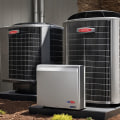
The landscape of air conditioning is on the brink of a significant transformation as we approach 2024. With increasing awareness of environmental issues and the urgent need for sustainable solutions, the air conditioning industry is evolving to meet these challenges head-on. The shift towards more eco-friendly refrigerants is not just a trend; it represents a crucial step in reducing the carbon footprint associated with cooling systems. As we delve into the future of air conditioning, it becomes essential to understand the implications of these changes, particularly regarding refrigerants that will dominate the market in the coming years.One of the most notable developments is the transition from traditional hydrofluorocarbon (HFC) refrigerants to next-generation alternatives that promise lower global warming potential. For instance, R-454B is set to replace R-410A as the primary refrigerant in residential and light commercial air conditioning systems starting January 1, 2024. This new refrigerant not only boasts a remarkable 78% reduction in global warming potential but also enhances energy efficiency across a broader range of temperatures.
Such advancements are vital for homeowners and businesses alike, as they seek reliable and environmentally responsible HVAC solutions.As consumers become more conscious of their environmental impact, the demand for HVAC systems that utilize these innovative refrigerants will likely surge. This shift will not only influence new installations but also necessitate adaptations in existing systems. Homeowners looking for HVAC repair nearby should be aware that technicians will need to be well-versed in these new refrigerants and their specific requirements. Understanding these changes will empower consumers to make informed decisions about their air conditioning needs, ensuring they choose systems that align with both their comfort and environmental values.
Understanding Refrigerants: What Are They and Why Do They Matter?
Refrigerants are specialized fluids used in HVAC (Heating, Ventilation, and Air Conditioning) systems to transfer heat.They play a crucial role in the cooling and heating processes, allowing these systems to maintain comfortable indoor temperatures regardless of external weather conditions. Understanding what refrigerants are and their significance is essential for anyone looking to grasp the complexities of modern air conditioning systems.At their core, refrigerants absorb heat from the environment and release it elsewhere, effectively cooling or heating a space. This process occurs through a cycle of evaporation and condensation, where the refrigerant changes states from liquid to gas and back again. The efficiency of this cycle is heavily influenced by the type of refrigerant used.
Importance of Refrigerants
- Energy Efficiency: The choice of refrigerant can significantly impact the energy efficiency of an HVAC system.
More efficient refrigerants require less energy to operate, which can lead to lower utility bills for homeowners and businesses.
- Environmental Impact: Many traditional refrigerants have high global warming potential (GWP), contributing to climate change. As regulations tighten around these substances, the shift towards more environmentally friendly options is becoming increasingly important.
- System Performance: The right refrigerant can enhance the overall performance of HVAC systems. It can improve cooling capacity, reduce wear and tear on components, and extend the lifespan of the equipment.
- Compliance with Regulations: With ongoing changes in environmental laws, using approved refrigerants is not just a matter of preference but a legal requirement. Homeowners should be aware of these regulations when considering HVAC repair nearby or upgrades.
The transition to next-generation options like R-454b signifies a move towards sustainability without compromising performance. This shift not only aligns with global efforts to combat climate change but also ensures that HVAC systems remain efficient and effective for years to come.
The Shift from HFCs to More Sustainable Options
The global transition away from hydrofluorocarbons (HFCs) is gaining momentum as countries and industries recognize the urgent need to address climate change. HFCs, once hailed as a safer alternative to ozone-depleting substances, have been found to possess a significantly high global warming potential (GWP). This realization has prompted a concerted effort to phase out these refrigerants in favor of more sustainable options.As part of this shift, the HFC phase-out is being driven by international agreements such as the Kigali Amendment to the Montreal Protocol.This landmark agreement aims to reduce the production and consumption of HFCs globally, with specific targets set for different countries. For instance, developed nations are expected to cut their HFC use by 85% by 2036, while developing countries have a more extended timeline to comply. This phased approach allows manufacturers and consumers time to adapt to new technologies and refrigerants.In response to these regulatory changes, manufacturers are investing heavily in research and development of sustainable refrigerants. Options such as hydrocarbon-based refrigerants (like propane and isobutane) and natural refrigerants (like ammonia and carbon dioxide) are emerging as viable alternatives.
These substances not only have a lower GWP but also offer improved energy efficiency, which can lead to reduced operational costs for HVAC systems.For consumers, this transition means that when seeking HVAC repair nearby, they may encounter technicians who are well-versed in the latest refrigerant technologies. It’s essential for homeowners to understand that older systems using HFCs may become obsolete or less efficient over time. As new regulations come into effect, it may be necessary to upgrade or replace older units with models that utilize more environmentally friendly refrigerants.Moreover, this shift presents an opportunity for consumers to contribute positively to environmental sustainability. By choosing HVAC systems that employ sustainable refrigerants, homeowners can reduce their carbon footprint while enjoying enhanced comfort in their living spaces.
As awareness grows about the benefits of these alternatives, it is likely that demand for eco-friendly HVAC solutions will continue to rise.In conclusion, the move away from HFCs is not just a regulatory requirement; it represents a significant step towards a more sustainable future. Both manufacturers and consumers play crucial roles in this transition, ensuring that air conditioning systems are not only effective but also environmentally responsible.
Introducing R-454B: The Next-Generation Refrigerant
As the HVAC industry transitions into 2024, one of the most significant changes will be the adoption of R-454B as the primary refrigerant, replacing the widely used R-410A. This next-generation refrigerant is designed to address both environmental concerns and efficiency challenges faced by traditional refrigerants.Environmental Benefits of R-454B
- Lower Global Warming Potential: R-454B boasts a global warming potential (GWP) that is approximately 78% lower than that of R-410A. This reduction is crucial in combating climate change and aligns with global efforts to minimize greenhouse gas emissions.
- Ozone-Friendly: Unlike some older refrigerants, R-454B does not contribute to ozone depletion, making it a safer choice for the environment.
Efficiency Improvements
- Enhanced Energy Efficiency: R-454B is engineered to operate more efficiently across a broader range of temperatures.
This means that HVAC systems using this refrigerant can maintain optimal performance even in extreme heat or cold, leading to lower energy consumption and reduced utility bills.
- Compatibility with Existing Systems: While R-454B is a new refrigerant, it is designed to be compatible with many existing HVAC systems that currently use R-410A. This compatibility can ease the transition for homeowners and businesses looking for HVAC repair nearby, as technicians can often retrofit systems rather than requiring complete replacements.
Operational Capabilities
- Wide Temperature Range: One of the standout features of R-454B is its ability to function effectively in both high and low temperature environments. This versatility ensures that air conditioning systems can provide reliable comfort regardless of external weather conditions.
- Improved System Longevity: The efficiency and stability of R-454B can lead to less strain on HVAC components, potentially extending the lifespan of air conditioning units and reducing the frequency of repairs.
Regulatory Changes Impacting Refrigerant Use in 2024
As we approach 2024, the regulatory landscape surrounding refrigerants is undergoing significant transformations that will have far-reaching implications for both manufacturers and consumers.These changes are primarily driven by environmental concerns and the need to reduce greenhouse gas emissions associated with traditional refrigerants.The Environmental Protection Agency (EPA) has been at the forefront of these regulatory changes, implementing stricter guidelines aimed at phasing out high-global warming potential (GWP) refrigerants. Starting January 1, 2024, manufacturers will be required to transition to more environmentally friendly alternatives, such as R-454B, which boasts a GWP that is 78% lower than its predecessor, R-410A. This shift is not merely a suggestion; it is a compliance requirement that all manufacturers must adhere to in order to continue producing residential and light commercial air conditioning systems.For consumers, these regulatory changes mean that any new HVAC systems installed after this date will utilize the new refrigerants. This transition is expected to enhance energy efficiency and reduce the overall carbon footprint of air conditioning systems.
However, it also raises questions about the availability of replacement parts and the potential need for HVAC repair nearby services as older systems may become less viable over time.Moreover, there is a one-year grace period for equipment manufactured before January 1, 2024, allowing for installation beyond this date. This means that while new systems will adopt the latest refrigerants, existing units may still operate on older refrigerants for a limited time. Consumers should be aware of this timeline when considering upgrades or repairs to their HVAC systems.In addition to the EPA regulations, various state-level initiatives are also influencing refrigerant use. Some states have implemented their own stringent regulations that may exceed federal requirements, further complicating compliance for manufacturers and installers alike.
As a result, it is crucial for consumers to stay informed about local regulations that may affect their HVAC systems.In summary, the regulatory changes set for 2024 are poised to reshape the HVAC industry significantly. Manufacturers must adapt to new compliance requirements while consumers should prepare for a future where environmentally friendly refrigerants become the norm. Staying informed about these changes will not only help in making better purchasing decisions but also in understanding the importance of regular maintenance and HVAC repair nearby as older systems transition out of use.
What Homeowners Need to Know About New Refrigerants
As homeowners prepare for the transition to new refrigerants, it’s essential to understand how these changes will impact both the efficiency of air conditioning systems and the environment. With the introduction of R-454B as a primary refrigerant, homeowners should be informed about what to look for when purchasing new HVAC systems and how to maintain existing units effectively.Understanding New Refrigerants
The shift to R-454B signifies a move towards more environmentally friendly options.
This refrigerant has a significantly lower global warming potential compared to its predecessors, making it a more sustainable choice. Homeowners should prioritize systems that utilize R-454B, as they will not only comply with upcoming regulations but also contribute to reducing their carbon footprint.
What to Look for When Purchasing New Systems
- Energy Efficiency Ratings: Look for units with high SEER (Seasonal Energy Efficiency Ratio) ratings. Higher SEER ratings indicate better energy efficiency, which can lead to lower utility bills.
- Compatibility: Ensure that the new system is compatible with R-454B. This is crucial for optimal performance and compliance with regulations.
- Manufacturer Reputation: Choose reputable manufacturers known for their commitment to sustainability and innovation in HVAC technology.
- Warranty and Support: A robust warranty and reliable customer support can save you from unexpected repair costs down the line.
Maintaining Existing Units
If you have an older air conditioning system that still uses traditional refrigerants, consider these maintenance tips:
- Regular Inspections: Schedule annual inspections with an HVAC repair nearby service to ensure your system is running efficiently and safely.
- Keep Filters Clean: Regularly replace or clean air filters to maintain airflow and efficiency.
- Monitor Performance: Pay attention to any changes in cooling performance or unusual noises, as these may indicate the need for repairs or adjustments.
The Role of HVAC Professionals in the Transition to New Refrigerants
As the air conditioning industry transitions to new refrigerants like R-454b, the role of HVAC professionals becomes increasingly vital.These technicians are not only responsible for installing and maintaining systems but also for ensuring that they comply with evolving environmental regulations and standards.One of the primary challenges facing HVAC professionals is the need for comprehensive training on new refrigerants. Unlike traditional refrigerants, R-454b and similar alternatives require a different approach in handling, installation, and maintenance. Technicians must be well-versed in the properties of these new substances, including their pressure characteristics and compatibility with existing systems.
Training Requirements
To effectively manage this transition, HVAC technicians will need to undergo specialized training programs that focus on:- Understanding New Refrigerants: Technicians must learn about the chemical properties, safety protocols, and environmental impacts of R-454b and other emerging refrigerants.
- Installation Techniques: Proper installation methods are crucial to ensure efficiency and safety. Training will cover best practices for integrating new refrigerants into existing systems.
- Regulatory Compliance: As regulations change, technicians must stay informed about local and federal guidelines regarding refrigerant use and disposal.
This includes being equipped to handle both older systems that still use traditional refrigerants and newer models designed for R-454b. The ability to service a wide range of systems will be a significant competitive advantage in the market.In addition to technical skills, effective communication will be essential. Technicians should be able to explain the benefits of new refrigerants to customers, helping them understand why these changes are necessary for both performance and environmental sustainability. This customer education can foster trust and encourage clients to invest in newer, more efficient systems.In conclusion, as the HVAC industry evolves with the introduction of new refrigerants, the role of qualified technicians becomes more critical than ever.
Investing in training and adapting service strategies will not only enhance their skill set but also ensure that they remain a trusted resource for homeowners seeking reliable HVAC solutions.
Frequently Asked Questions About Refrigerant Changes in 2024
As the air conditioning industry prepares for significant changes in refrigerants in 2024, many homeowners and businesses have questions about what these changes mean for their HVAC systems. Below are some of the most frequently asked questions regarding refrigerant transitions and their implications.What is the primary refrigerant being introduced in 2024?
The primary refrigerant that will be introduced in 2024 is R-454B. This next-generation refrigerant is designed to replace R-410A, which has been widely used in residential and light commercial air conditioning systems. R-454B has a much lower global warming potential, making it a more environmentally friendly option.Why are refrigerants changing?
The shift in refrigerants is largely driven by environmental concerns.Older refrigerants like R-410A contain hydrofluorocarbons (HFCs), which are potent greenhouse gases. The transition to R-454B aligns with global efforts to reduce emissions and combat climate change.
How will these changes affect my HVAC system?
If you have an existing system that uses R-410A, it will not be immediately affected by the change. However, any new systems installed after January 1, 2024, will use R-454B. It's important to consult with HVAC repair nearby professionals to understand how these changes may impact your current system and whether any upgrades or modifications are necessary.Will I need to replace my current air conditioning unit?
No, you do not need to replace your current unit immediately.However, as older systems age and require repairs, it may be more beneficial to consider upgrading to a new unit that utilizes R-454B for better efficiency and environmental compliance.
What should I do if my system needs repair?
If your HVAC system requires repair, it's advisable to seek out HVAC repair nearby services that are knowledgeable about the new refrigerants. They can provide guidance on whether your system can be repaired with existing refrigerants or if an upgrade is recommended.Are there any incentives for upgrading to new refrigerants?
Many states and local governments offer incentives for upgrading to energy-efficient systems that use environmentally friendly refrigerants. Check with your local utility company or government website for available rebates or tax credits.Understanding these changes can help you make informed decisions about your HVAC system and ensure that you are prepared for the future of air conditioning.Conclusion: Embracing a Sustainable Future in Air Conditioning
As we look towards the future of air conditioning, it is clear that the transition to more sustainable refrigerants is not just a trend but a necessity. The impending changes in refrigerants, particularly the shift to R-454b, represent a significant step forward in reducing the environmental impact of HVAC systems.This new refrigerant not only boasts a 78% lower global warming potential compared to its predecessor, R-410a, but also enhances energy efficiency across various temperature ranges.Understanding these changes is crucial for both consumers and industry professionals. For homeowners considering new installations or upgrades, opting for systems that utilize R-454b can lead to long-term savings on energy bills while contributing to a healthier planet. Additionally, as regulations tighten around refrigerant use, being informed about these developments can help homeowners make better choices when seeking HVAC repair nearby or new installations.Moreover, the phase-out of older HFC-based refrigerants aligns with global efforts to combat climate change. By embracing these advancements, we are not only improving the efficiency of our air conditioning systems but also playing our part in protecting the environment for future generations.In conclusion, as we prepare for 2024 and beyond, it is essential to stay informed about the evolving landscape of air conditioning technology.
The shift towards sustainable refrigerants like R-454b is a pivotal moment in the HVAC industry. By prioritizing eco-friendly options and understanding their benefits, we can ensure that our comfort does not come at the expense of our planet. Let us embrace this change and advocate for sustainable practices in air conditioning, paving the way for a greener future.