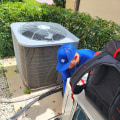
When it comes to purchasing a new air conditioning unit, understanding the When it comes to purchasing a new air conditioning unit, understanding the costs involved is essential for homeowners. The initial purchase price is just the tip of the iceberg; there are several other factors that contribute to the overall expense of owning an AC unit. From installation fees to long-term operational costs, being aware of these elements can help you make a more informed decision and avoid unexpected financial burdens down the line.The initial purchase price of an air conditioning unit can vary significantly based on several factors, including the type of system you choose, its energy efficiency rating, and the brand. For instance, central air conditioning systems typically come with a higher price tag compared to window units or portable options.
Additionally, energy-efficient models may cost more upfront but can lead to substantial savings on your utility bills over time.Installation costs are another critical component to consider. Hiring a professional HVAC technician is often necessary to ensure that your new unit is installed correctly and operates efficiently. These costs can fluctuate based on your location, the complexity of the installation, and any additional modifications needed for your home’s existing ductwork or electrical systems. It's advisable to obtain multiple quotes from local contractors to find a fair price for installation services.Finally, long-term operational expenses should not be overlooked.
Regular maintenance, potential repairs, and energy consumption all contribute to the total cost of ownership. Understanding these ongoing costs will allow you to budget effectively and choose an AC unit that not only fits your immediate needs but also aligns with your long-term financial goals.
Choosing the Right Time to Buy
When it comes to purchasing a new air conditioning unit, timing can play a crucial role in determining the overall cost. Understanding the best time to buy an AC unit can lead to significant savings, especially if you are aware of seasonal pricing trends and potential discounts available during off-peak months.Typically, the demand for air conditioning units peaks during the summer months, particularly in June and July. During this time, prices tend to be at their highest due to increased consumer demand.If you can wait until the end of summer or early fall, you may find that prices drop significantly as retailers look to clear out inventory before the cooler months arrive.
Off-Season Discounts
One of the most effective strategies for saving money on your AC unit purchase is to take advantage of off-season discounts. The best time to shop for an air conditioner is often in late fall or winter when demand is low. Many retailers offer substantial discounts during these months to encourage sales. Additionally, HVAC companies may provide promotions or rebates on installation services during the off-season, making it an ideal time to invest in a new system.Holiday Sales and Promotions
Another opportunity for savings comes during holiday sales events.Major holidays such as Labor Day, Memorial Day, and Black Friday often feature special promotions on home appliances, including air conditioning units. Keep an eye out for these sales as they can provide significant savings compared to regular pricing.
Consider Local HVAC Companies
Don’t overlook local HVAC companies when searching for the best deals. Many smaller businesses may offer competitive pricing and personalized service that larger chains cannot match. Additionally, they might have unique promotions or financing options available during slower seasons.In conclusion, being strategic about when you purchase your air conditioning unit can lead to substantial savings.By shopping during off-peak seasons, taking advantage of holiday sales, and considering local HVAC providers, you can ensure that you get the best possible deal on your new AC system.
Exploring Energy Efficiency Ratings
When considering a new air conditioning unit, one of the most critical factors to evaluate is its energy efficiency rating. These ratings provide insight into how effectively an AC unit converts electricity into cooling power, which can significantly impact both your initial investment and ongoing energy costs.One of the most recognized metrics for measuring energy efficiency in air conditioning systems is the Seasonal Energy Efficiency Ratio (SEER). The SEER rating indicates the cooling output during a typical cooling season divided by the total electric energy input during that same period. In simpler terms, a higher SEER rating means better energy efficiency, which translates to lower energy bills.For instance, if you choose an AC unit with a SEER rating of 16 compared to one with a rating of 13, you could save approximately 20% on your cooling costs.This difference can add up significantly over time, making it essential to consider not just the purchase price but also the long-term savings associated with higher efficiency models.Here are some key points to keep in mind when exploring energy efficiency ratings:
- Understand the SEER Scale: SEER ratings typically range from 13 to 25 or more. Units with a SEER rating of 14 or higher are considered efficient, while those below this threshold may lead to higher energy costs.
- Consider Your Climate: The benefits of a high SEER rating can vary based on your geographical location. In hotter climates where air conditioning is used extensively, investing in a unit with a higher SEER can yield substantial savings.
- Look for Energy Star Certification: Units that meet the Energy Star criteria are designed to be more efficient than standard models. Choosing an Energy Star-certified unit can further enhance your savings and reduce your environmental impact.
- Factor in Installation Costs: While high-efficiency units may have a higher upfront cost, consider the potential savings on your utility bills over time.
A well-installed high-SEER unit can pay for itself through reduced energy expenses.
Comparing Different Brands and Models
When it comes to purchasing a new air conditioning unit, understanding the differences between various AC brands and models is crucial for making an informed decision. Each brand offers unique features, reliability ratings, and customer satisfaction levels that can significantly impact your investment.1.Popular AC Brands
- Trane: Known for its durability and efficiency, Trane units often come with a higher price tag but are praised for their long lifespan and low maintenance needs.
- Carrier: A pioneer in the HVAC industry, Carrier offers a wide range of models that balance performance and cost.
Their units are often recognized for their energy efficiency.
- Lennox: Lennox is celebrated for its innovative technology and quiet operation. Their high-efficiency models can lead to significant energy savings over time.
- Rheem: Rheem provides reliable options at competitive prices. They are known for their solid warranties and customer service.
- Goodman: Goodman units are often favored for their affordability without sacrificing quality. They offer a good balance of features and performance.
2.Comparing AC Models
When comparing specific models within these brands, consider the following factors:
- Energy Efficiency Ratio (EER): Higher EER ratings indicate better energy efficiency, which can lead to lower utility bills.
- Noise Levels: Look for models with lower decibel ratings if noise is a concern in your home environment.
- Warranty Options: A robust warranty can provide peace of mind and protect your investment against potential issues.
- Smart Features: Many modern units come equipped with smart technology that allows for remote control and monitoring, enhancing convenience and efficiency.
3.Customer Reviews and Reliability
Before finalizing your choice, it’s essential to read customer reviews and reliability ratings from trusted sources.
Websites like Consumer Reports or HVAC-specific forums can provide insights into real-world performance and satisfaction levels. Pay attention to common themes in reviews, such as ease of installation, effectiveness in cooling, and customer service experiences.By carefully comparing different brands and models, you can find an air conditioning unit that not only fits your budget but also meets your specific cooling needs while ensuring long-term reliability.
Utilizing Local Incentives and Rebates
When considering the purchase of a new air conditioning unit, one of the most effective ways to save money is by taking advantage of local incentives and rebates offered by energy companies and government programs. These financial incentives can significantly reduce the overall cost of your HVAC system, making it more affordable for homeowners.Many utility companies provide rebate programs aimed at encouraging customers to upgrade to more energy-efficient systems. These rebates can vary widely depending on your location and the specific energy provider.To maximize your savings, it’s essential to research what programs are available in your area. Here are some steps to help you navigate this process:
- Check with Your Utility Provider: Start by visiting the website of your local energy company or calling their customer service line. They often have dedicated sections for energy efficiency programs that outline available rebates for HVAC purchases.
- Look for Government Programs: In addition to utility company incentives, various federal and state government programs may offer tax credits or rebates for energy-efficient HVAC systems. Websites like EnergyStar.gov can provide valuable information on these opportunities.
- Consult with HVAC Professionals: Local HVAC contractors are often well-versed in available incentives and can guide you through the process of applying for rebates.
They may also help you select a system that qualifies for these savings.
This proactive approach not only helps you save money upfront but also contributes to long-term savings on your energy bills.
The Importance of Professional Installation
When it comes to purchasing a new air conditioning unit, one of the most critical decisions you will make is whether to opt for professional HVAC installation or attempt a DIY approach. While the allure of saving money by installing the unit yourself may be tempting, the benefits of hiring experienced HVAC experts far outweigh the potential savings.Optimal Performance and Longevity
Professional installation ensures that your AC unit operates at peak efficiency. HVAC technicians are trained to understand the intricacies of different systems, including how to properly size and position the unit for maximum airflow and cooling effectiveness. A poorly installed system can lead to a host of problems, including:
- Inadequate cooling: If the unit is not installed correctly, it may struggle to cool your home effectively, leading to discomfort during hot weather.
- Increased energy bills: An improperly installed AC unit can consume more energy than necessary, resulting in higher utility costs.
- Shortened lifespan: Mistakes made during installation can lead to premature wear and tear on your system, necessitating costly repairs or replacements sooner than expected.
Avoiding Common Pitfalls
Many homeowners underestimate the complexity involved in installing an air conditioning system.
DIY installations often overlook essential factors such as:
- Ductwork compatibility: Existing ductwork may not be suitable for your new unit, requiring modifications that a professional would know how to handle.
- Electrical connections: Incorrect wiring can pose safety hazards and lead to system malfunctions.
- Refrigerant handling: Professionals are trained in safely handling refrigerants, which are crucial for your AC's operation and must be managed according to environmental regulations.
The Cost of Professional Installation
While hiring professionals may seem like an added expense, consider it an investment in your home’s comfort and efficiency. The cost of professional installation typically includes:
- Labor costs: Skilled technicians charge for their expertise and time, ensuring that the job is done right.
- Warranty protection: Many manufacturers require professional installation for warranty coverage, meaning that if something goes wrong, you won’t be left footing the bill.
- Peace of mind: Knowing that your system has been installed correctly allows you to enjoy your home without worrying about potential issues down the line.
Maintenance Tips for Longevity and Efficiency
To ensure your air conditioning unit operates efficiently and lasts as long as possible, regular maintenance is essential. Here are some practical tips that homeowners can implement to prolong the lifespan of their AC units and maintain optimal efficiency:- Change or Clean Filters Regularly: One of the simplest yet most effective maintenance tasks is to check and replace or clean your air filters every 1-3 months.
Clogged filters restrict airflow, making your system work harder and reducing its efficiency.
- Keep the Outdoor Unit Clear: Ensure that the area around your outdoor AC unit is free from debris, such as leaves, grass, and dirt. A clear space allows for proper airflow and prevents overheating.
- Schedule Annual Professional Inspections: Having a qualified HVAC technician perform an annual inspection can catch potential issues before they become costly repairs. During this visit, the technician will check refrigerant levels, inspect electrical components, and clean essential parts.
- Inspect Ductwork for Leaks: Leaky ducts can significantly reduce your system's efficiency. Regularly inspect your ductwork for any signs of wear or damage, and seal any leaks with appropriate materials.
- Clean the Condenser Coils: Dust and grime can accumulate on the condenser coils, hindering heat exchange.
Cleaning these coils at least once a year can improve efficiency and extend the life of your unit.
- Check Thermostat Settings: Ensure that your thermostat is functioning correctly and set to an optimal temperature. Consider upgrading to a programmable thermostat to better manage energy use.
- Monitor System Performance: Pay attention to how your AC unit operates. If you notice unusual noises, reduced cooling capacity, or increased energy bills, it may be time to consult a professional for HVAC repair nearby.
Frequently Asked Questions About AC Purchases
When considering the purchase of a new air conditioning unit, homeowners often have numerous questions.This FAQ section aims to address some of the most common inquiries regarding AC purchases, helping you make informed decisions.
What size air conditioner do I need for my home?
The size of your air conditioning unit is crucial for effective cooling. An undersized unit will struggle to cool your space, while an oversized unit can lead to increased energy costs and humidity issues. To determine the right size, consider the square footage of your home, the number of windows, insulation quality, and local climate. Consulting with an HVAC repair nearby professional can provide tailored recommendations based on your specific needs.What is SEER rating and why is it important?
The Seasonal Energy Efficiency Ratio (SEER) measures the efficiency of an air conditioning unit.A higher SEER rating indicates better energy efficiency, which can lead to lower utility bills over time. When shopping for an AC unit, look for models with a SEER rating of 14 or higher to ensure optimal performance and savings.
Should I buy a new AC unit in the off-season?
Purchasing an air conditioner during the off-season, typically in fall or spring, can often result in significant savings. During these times, demand is lower, and many retailers offer discounts or promotions to encourage sales. Additionally, HVAC professionals may have more availability for installation, allowing for a smoother purchasing experience.What are the benefits of energy-efficient models?
Investing in an energy-efficient air conditioning unit not only reduces your carbon footprint but also saves you money on energy bills.These models use advanced technology to cool your home more effectively while consuming less electricity. Many energy-efficient units also qualify for rebates from local utility companies, further enhancing your savings.
How can I maintain my new AC unit?
Regular maintenance is key to prolonging the life of your air conditioning system. Here are some essential maintenance tips:- Change filters regularly: Replace or clean filters every 1-3 months to ensure optimal airflow and efficiency.
- Schedule annual inspections: Have a professional technician inspect and service your unit at least once a year.
- Keep the outdoor unit clear: Ensure that debris, leaves, and plants are kept away from the outdoor condenser unit to maintain proper airflow.
Conclusion: Making Informed Decisions for Your AC Purchase
In conclusion, purchasing a new air conditioning unit is a significant investment that requires careful consideration and planning. By following the expert tips outlined in this article, you can make informed decisions that not only save you money but also ensure you select the right system for your home.First and foremost, conducting thorough research is essential.Understanding the various types of AC units available, their efficiency ratings, and the specific needs of your home will empower you to make a choice that aligns with your budget and comfort requirements. Remember, HVAC repair nearby services can provide valuable insights into the best options for your space.Additionally, timing your purchase can lead to significant savings. Buying during the off-season or taking advantage of promotional offers from local energy companies can help reduce costs. It’s also wise to compare prices from multiple suppliers and consider the long-term benefits of investing in a more efficient model, which may have a higher upfront cost but lower operating expenses over time.Moreover, don’t overlook the importance of professional installation.
A properly installed unit will operate more efficiently and last longer, ultimately saving you money on repairs and energy bills. Engaging with reputable HVAC professionals ensures that you receive quality service and advice tailored to your specific situation.Finally, always keep an eye on potential rebates or incentives offered by manufacturers or local governments for energy-efficient systems. These programs can significantly offset the initial purchase price and enhance your overall savings.By taking these steps and remaining vigilant about your options, you can confidently navigate the process of purchasing an air conditioning unit. Making informed decisions today will lead to a more comfortable and cost-effective living environment tomorrow.