Understanding the intricate workings of your furnace is essential for any homeowner. A furnace is not just a standalone unit; it is a vital component of your overall HVAC system, which includes heating, ventilation, and air conditioning. Each part of the furnace plays a specific role in ensuring that your home remains warm and comfortable during the colder months, especially during peak times when demand for heating increases. By familiarizing yourself with these components, you can better appreciate their importance and the potential costs associated with repairs or replacements.Every furnace consists of several key components, including the fan motor, Understanding the intricate workings of your furnace is essential for any homeowner. A furnace is not just a standalone unit; it is a vital component of your overall HVAC system, which includes heating, ventilation, and air conditioning. Each part of the furnace plays a specific role in ensuring that your home remains warm and comfortable during the colder months, especially during peak times when demand for heating increases. By familiarizing yourself with these components, you can better appreciate their importance and the potential costs associated with repairs or replacements.Every furnace consists of several key components, including the fan motor, heat exchanger, ignition system, and more. Understanding the intricate workings of your furnace is essential for any homeowner. A furnace is not just a standalone unit; it is a vital component of your overall HVAC system, which includes heating, ventilation, and air conditioning. Each part of the furnace plays a specific role in ensuring that your home remains warm and comfortable during the colder months, especially during peak times when demand for heating increases. By familiarizing yourself with these components, you can better appreciate their importance and the potential costs associated with repairs or replacements.Every furnace consists of several key components, including the fan motor, heat exchanger, ignition system, and more.
Each of these parts contributes to the efficiency and effectiveness of your heating system. For instance, the fan motor circulates warm air throughout your home, while the heat exchanger transfers heat from the combustion process to the air that warms your living space. Understanding how these components work together can help you identify issues early on and avoid costly repairs down the line.Moreover, being aware of the most expensive components of a furnace can empower you as a homeowner. If you know what to look for and when to call for HVAC repair nearby, you can save both time and money.
Regular maintenance and timely interventions can extend the lifespan of your furnace and enhance its performance. In this comprehensive guide, we will delve deeper into these costly components, providing insights that will help you make informed decisions regarding your heating system.
The Fan Motor: The Heart of Your Furnace
The fan motor is often regarded as the heart of your furnace, playing a crucial role in ensuring that warm air circulates effectively throughout your home. This component is responsible for drawing in cool air, passing it through the heat exchanger, and then distributing the heated air back into your living spaces. Without a properly functioning fan motor, your furnace cannot operate efficiently, leading to discomfort and increased energy costs.When it comes to the cost of a fan motor , prices can vary significantly based on the make and model of your furnace.On average, homeowners can expect to pay between $300 and $700 for a replacement fan motor, including parts and labor. However, if you are looking for HVAC repair nearby, it’s essential to get multiple quotes to ensure you are receiving a fair price.Common issues with fan motors include:
- Overheating: This can occur due to dust buildup or electrical issues, causing the motor to fail prematurely.
- Noisy operation: Unusual sounds may indicate worn bearings or other mechanical problems that require immediate attention.
- Inconsistent airflow: If you notice that some rooms are warmer than others, it could be a sign that the fan motor is struggling to maintain proper circulation.
This includes cleaning or replacing air filters, ensuring that vents are unobstructed, and scheduling annual inspections with a qualified technician. By taking these proactive steps, you can extend the lifespan of your fan motor and improve the overall efficiency of your heating system.
Heat Exchanger: Ensuring Efficient Heat Transfer
The heat exchanger is a critical component of your furnace, playing a vital role in transferring heat from the combustion process to the air that circulates throughout your home. This process not only ensures that your living space remains warm and comfortable during the colder months but also affects the overall efficiency of your heating system.When functioning properly, the heat exchanger allows for optimal heat transfer, which can lead to lower energy bills and a more environmentally friendly home. However, like any mechanical part, it is susceptible to wear and tear over time.Understanding potential heat exchanger problems can help you identify issues early and avoid costly repairs.
Common Heat Exchanger Issues
- Cracks and Leaks: One of the most serious issues that can arise is the development of cracks or leaks in the heat exchanger. These can lead to a dangerous situation where carbon monoxide—a colorless, odorless gas—escapes into your home. If you notice symptoms such as headaches, dizziness, or nausea, it’s crucial to seek immediate professional help.
- Corrosion: Over time, moisture and combustion gases can cause corrosion within the heat exchanger. This deterioration can significantly reduce its efficiency and lifespan.
- Blockages: Dust, debris, and other contaminants can accumulate in the heat exchanger, obstructing airflow and reducing its ability to transfer heat effectively.
Ignoring these problems can lead to more extensive damage and higher repair costs down the line.
Cost of Heat Exchanger Replacement
The cost associated with replacing a heat exchanger can vary widely based on several factors, including:- Type of Furnace: Different furnace models may have varying costs for replacement parts.
- Labor Costs: Hiring a qualified technician for installation will add to your overall expenses.
- Extent of Damage: If other components are affected due to a malfunctioning heat exchanger, additional repairs may be necessary.
Ignition System: Starting Your Furnace Safely
The ignition system of your furnace plays a critical role in ensuring that your heating system operates safely and efficiently.Understanding the different types of ignition systems, their functions, and potential issues can help you maintain your furnace and avoid costly repairs.
Types of Ignition Systems
There are primarily two types of ignition systems used in modern furnaces: standing pilot and electronic ignition .- Standing Pilot Ignition: This traditional system uses a small flame that burns continuously to ignite the gas burners when heat is needed. While reliable, it can be less efficient due to the constant gas consumption required to keep the pilot light lit.
- Electronic Ignition: This more modern approach utilizes an electric spark or hot surface igniter to ignite the gas burners. Electronic ignition systems are generally more efficient and reliable, as they only consume gas when heating is required.
Importance of a Functional Ignition System
A properly functioning ignition system is essential for the safe operation of your furnace. If the ignition system fails, it can lead to several issues:- Inconsistent Heating: A malfunctioning ignition system may prevent your furnace from starting or cause it to shut off unexpectedly, leading to uncomfortable temperature fluctuations in your home.
- Gas Leaks: In some cases, a faulty ignition system can result in unburned gas accumulating, posing a serious safety hazard.
- Increased Repair Costs: Ignoring signs of ignition system failure can lead to more extensive damage and higher repair costs down the line.
Common Issues and Maintenance Practices
Regular maintenance is crucial for keeping your ignition system in good working order.Here are some common issues to watch for:
- Dirt and Debris: Accumulation of dirt can obstruct the pilot light or electronic igniter, preventing proper ignition.
- Worn Components: Over time, parts such as thermocouples or igniters may wear out and require replacement.
Thermostat: The Control Center of Your Heating System
The thermostat serves as the control center of your heating system, playing a crucial role in regulating the temperature within your home. It communicates with your furnace to maintain a comfortable environment by signaling when to turn on or off based on the desired temperature settings. However, like any other component in your HVAC system, thermostats can encounter issues that may affect their performance and, consequently, your heating efficiency.Common Thermostat Issues
- Calibration Problems: Over time, thermostats can become miscalibrated, leading to inaccurate temperature readings.
This can cause your furnace to run longer than necessary or not turn on at all.
- Wiring Issues: Loose or damaged wiring can disrupt communication between the thermostat and the furnace, resulting in inconsistent heating.
- Battery Failure: For battery-operated thermostats, dead batteries can lead to complete system failure. Regularly checking and replacing batteries is essential for optimal performance.
- Obsolete Technology: Older thermostats may lack modern features such as programmable settings or Wi-Fi connectivity, which can enhance energy efficiency.
The Impact of Thermostat Problems
When a thermostat malfunctions, it can lead to significant inefficiencies in your heating system. A miscalibrated thermostat may cause your furnace to overheat or underheat your home, leading to increased energy bills and discomfort. In some cases, prolonged issues can even result in more severe damage to your furnace, necessitating costly repairs or replacements.
Cost of Thermostat Replacement
If you find that repairs are not feasible or effective, replacing your thermostat may be the best option.
The cost of a new thermostat can vary widely based on the type and features you choose:
- Basic Thermostats: Typically range from $20 to $50.
- Programmable Thermostats: Usually cost between $50 and $150, offering enhanced control over heating schedules.
- Smart Thermostats: These advanced models can range from $150 to $300 or more, providing remote access and energy-saving features.
Ductwork: The Pathway for Heated Air
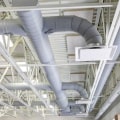
Ductwork plays a crucial role in the overall efficiency and effectiveness of your furnace system. It serves as the pathway through which heated air travels from the furnace to various rooms in your home.However, like any other component of your HVAC system, ductwork can experience issues that may hinder its performance.One of the most common problems with ductwork is leaks. These leaks can occur at joints, seams, or even through small holes in the ducts. When air escapes through these leaks, it not only reduces the amount of heated air reaching your living spaces but also forces your furnace to work harder to maintain the desired temperature. This increased workload can lead to higher energy bills and a shorter lifespan for your heating system.Another issue that homeowners often face is blockages.
Dust, debris, and even pests can accumulate in the ducts over time, obstructing airflow. Blocked ducts can result in uneven heating throughout your home, leaving some areas cold while others become uncomfortably warm. This inconsistency can be frustrating and may lead to increased wear and tear on your furnace.Regular inspections of your ductwork are essential to identify and address these issues before they escalate into costly repairs. A professional HVAC technician can perform a thorough examination of your ducts, checking for leaks, blockages, and overall integrity.
If any problems are detected, timely ductwork repair can restore efficiency and comfort to your home.The cost of ductwork repair can vary significantly based on the extent of the damage and the specific repairs needed. On average, homeowners might expect to pay anywhere from $300 to $1,500 for repairs, depending on factors such as labor costs and materials used. Investing in regular maintenance and prompt repairs can save you money in the long run by improving energy efficiency and extending the life of your furnace.If you find yourself facing issues with your ductwork or if you’re looking for HVAC repair nearby, it’s important to act quickly. Delaying repairs can lead to more significant problems down the line, including complete system failures or even health hazards due to poor air quality.
By prioritizing ductwork maintenance and repairs, you ensure that your heating system operates smoothly and efficiently throughout the colder months.
Common Signs of Furnace Problems: When to Call for Help
Recognizing the signs of furnace problems is crucial for maintaining a comfortable and safe home environment. Ignoring these signs can lead to more severe issues and costly repairs. Here are some common indicators that your furnace may need professional attention:- Unusual Noises: If your furnace starts making strange sounds such as banging, clanking, or squealing, it could indicate mechanical issues. These noises often suggest that components are loose or worn out, requiring immediate inspection.
- Inconsistent Heating: If certain rooms in your home are significantly colder than others, your furnace may not be distributing heat evenly.
This inconsistency can stem from ductwork issues or a failing blower motor.
- Increased Energy Bills: A sudden spike in your heating bills without a corresponding change in usage can signal that your furnace is working harder than it should. This inefficiency may be due to age, lack of maintenance, or failing components.
- Yellow Burner Flame: A healthy furnace flame should be blue. If you notice a yellow or flickering flame, it could indicate incomplete combustion, which poses a safety risk due to potential carbon monoxide production.
- Frequent Cycling: If your furnace turns on and off frequently, it may be short cycling. This issue can lead to increased wear and tear on the system and may require professional diagnosis.
- Foul Odors: Any strange smells coming from your furnace should not be ignored.
A burning smell could indicate overheating components, while a gas odor requires immediate attention due to the risk of leaks.
- Schedule Annual Inspections: Have a professional inspect and service your furnace at least once a year to ensure it operates efficiently.
- Change Filters Regularly: Replace or clean air filters every 1-3 months to maintain airflow and efficiency.
- Keep Vents Clear: Ensure that all vents and registers are unobstructed to allow for proper air circulation throughout your home.
Preventive Maintenance: Keeping Your Furnace Running Smoothly
Maintaining your furnace is crucial for ensuring its longevity and efficiency.Regular preventive maintenance not only helps in avoiding unexpected breakdowns but also significantly reduces the likelihood of costly repairs. Here are some essential furnace maintenance tips that can keep your heating system running smoothly:
- Schedule Annual Inspections: It’s advisable to have a professional HVAC technician inspect your furnace at least once a year. This check-up can identify potential issues before they escalate into major problems.
- Change Air Filters Regularly: Dirty air filters can restrict airflow, causing your furnace to work harder and less efficiently. Check and replace your filters every 1-3 months, especially during peak usage seasons.
- Clean the Furnace Area: Ensure that the area around your furnace is free from dust, debris, and flammable materials.
A clean environment allows for better airflow and reduces fire hazards.
- Inspect Ductwork: Leaky ducts can lead to significant energy loss. Regularly inspect your ductwork for any signs of wear or damage, and seal any leaks to improve efficiency.
- Test the Thermostat: Ensure that your thermostat is functioning correctly. A malfunctioning thermostat can lead to inconsistent heating and increased energy bills.
- Increased Energy Efficiency: A well-maintained furnace operates more efficiently, which can lower your energy bills.
- Extended Lifespan: Routine maintenance can significantly extend the life of your furnace, saving you money on premature replacements.
- Improved Air Quality: Regular filter changes and cleaning help maintain better indoor air quality by reducing allergens and pollutants.
Prompt attention to these issues can prevent further damage and ensure that your home remains comfortable throughout the colder months.
Cost Considerations: Budgeting for Furnace Repairs and Replacements
When it comes to maintaining your furnace, understanding the cost considerations is crucial for effective budgeting. The expenses associated with furnace repairs and replacements can vary significantly based on several factors, including the age of the unit, the type of repair needed, and local labor costs. Here’s a breakdown of what to consider when budgeting for these essential HVAC services.1.Assessing Repair Costs
- Type of Repair: Minor repairs, such as replacing a thermostat or cleaning the ignition system, typically cost less than major repairs like replacing the heat exchanger or fan motor. On average, minor repairs can range from $100 to $300, while major repairs can escalate to $1,000 or more.
- Age of the Furnace: Older furnaces may require more frequent repairs, which can add up over time.
If your furnace is over 15 years old, it might be more cost-effective to consider a replacement rather than continuing to invest in repairs.
- Labor Costs: The cost of labor can vary widely depending on your location. If you search for HVAC repair nearby, you may find varying rates that can influence your overall repair costs.
2.Budgeting for Replacement
When contemplating whether to repair or replace your furnace, consider the following:
- Efficiency Ratings: Newer models are often more energy-efficient, which can lead to lower utility bills over time. If your current furnace has a low efficiency rating, investing in a new unit could save you money in the long run.
- Total Cost of Ownership: Factor in not just the purchase price of a new furnace but also installation costs and potential savings on energy bills. A higher upfront cost may be justified if it leads to significant savings over time.
- Warranty Considerations: New furnaces typically come with warranties that cover parts and labor for a specified period.
This can provide peace of mind and reduce unexpected expenses.
3.Making an Informed Decision
Ultimately, deciding between repair and replacement should be based on a thorough evaluation of your specific situation. Consulting with a qualified HVAC technician can provide valuable insights into the best course of action for your home. They can help you weigh the costs against the benefits and guide you toward making an informed decision that aligns with your budget.By understanding these cost considerations and planning accordingly, you can ensure that your heating system remains efficient and reliable without breaking the bank.
<strong>Conclusion</strong>: Key Takeaways on Furnace Components and Costs
In summary, understanding the costly components of a furnace is essential for homeowners who want to maintain a comfortable living environment while managing their budgets effectively. The three primary components discussed—the fan motor, the heat exchanger, and the ignition system—play critical roles in the overall functionality of your heating system.Each of these parts not only contributes to the efficiency and performance of your furnace but also carries significant repair or replacement costs if they fail.Here are some key takeaways:
- Fan Motor: This component is vital for air circulation within your home. A malfunctioning fan motor can lead to inadequate heating and may necessitate a complete furnace replacement, which can be a substantial financial burden.
- Heat Exchanger: The heat exchanger is crucial for transferring heat from the combustion chamber to your living space. Issues with this component can result in decreased efficiency and serious safety hazards, such as carbon monoxide leaks, making it imperative to address any concerns immediately.
- Ignition System: Whether you have a standing pilot or an electronic ignition system, both types are essential for starting your furnace. Regular maintenance is necessary to ensure these systems function correctly, as repairs can be costly and complex.
Regular inspections by qualified professionals can help identify potential issues before they escalate into costly repairs. Additionally, understanding the importance of each component allows homeowners to make informed decisions when seeking HVAC repair nearby.Ultimately, investing time and resources into understanding your furnace's components will not only enhance its longevity but also ensure that your home remains a safe and comfortable haven during the colder months.