When it comes to maintaining a comfortable home environment, few systems are as crucial as your air conditioning unit. However, the reality of air conditioner repairs often extends beyond the visible issues that prompt a service call. Many homeowners are unaware of the hidden costs associated with these repairs, which can significantly impact their budgets. Understanding these potential expenses is essential for anyone seeking HVAC repair nearby, as it allows for better financial planning and decision-making.Air conditioning systems are complex machines composed of various components, each susceptible to wear and tear over time.
While some repairs may seem straightforward, others can reveal underlying problems that require immediate attention and additional funds. For instance, a simple refrigerant leak might lead to a more extensive investigation into the system's overall health, uncovering issues like corroded coils or failing compressors. These unexpected findings can quickly escalate repair costs, leaving homeowners feeling blindsided.Moreover, the costs associated with air conditioning maintenance should not be overlooked. Regular upkeep is vital for prolonging the lifespan of your unit and ensuring optimal performance.
Neglecting routine maintenance can lead to more frequent and costly repairs down the line. Therefore, understanding both the immediate and long-term financial implications of air conditioner repairs is crucial for homeowners who want to avoid unpleasant surprises.In this article, we will delve deeper into the various factors contributing to the hidden costs of air conditioner repairs. By shedding light on these aspects, we aim to equip you with the knowledge necessary to make informed decisions regarding your HVAC system and its maintenance.
Common Air Conditioner Issues and Their Costs
Homeowners often encounter a variety of issues with their air conditioning systems, which can lead to unexpected repair costs. Understanding these common problems can help you prepare for potential expenses and make informed decisions when seeking HVAC repair nearby.1.Compressor Failures
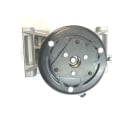
The compressor is the heart of your air conditioning system, responsible for circulating refrigerant throughout the unit.When it fails, the entire system can stop working effectively. Signs of a failing compressor include unusual noises, overheating, or a complete lack of cooling. Repairing or replacing a compressor can be one of the most significant expenses, typically ranging from $1,200 to $2,500 , depending on the model and labor costs.
2.Refrigerant Leaks
Refrigerant is essential for cooling your home, and leaks can severely impact your system's efficiency. If you notice ice buildup on the evaporator coils or a hissing sound near the unit, you may have a refrigerant leak.Repairing this issue involves locating the leak and recharging the system with refrigerant, which can cost between $200 and $1,500 , depending on the severity of the leak and the amount of refrigerant needed.
3.Electrical Problems
Electrical issues can arise from faulty wiring, blown fuses, or malfunctioning thermostats. These problems can prevent your air conditioner from turning on or cause it to operate erratically. Diagnosing electrical issues often requires a professional technician, and repair costs can vary widely from $150 to $1,000 , depending on the complexity of the problem.4.Clogged Drain Lines
A clogged drain line can lead to water damage and mold growth in your home. If you notice water pooling around your air conditioning unit or hear gurgling sounds, it may be time to clear the drain line.This maintenance task is relatively inexpensive, typically costing between $75 and $200 .
5.Fan Issues
The fan plays a crucial role in circulating air through your home and over the evaporator coils. If the fan motor fails or if there are obstructions preventing it from spinning freely, you may experience reduced airflow or increased energy bills. Repairing or replacing a fan motor can cost between $300 and $700 .By being aware of these common air conditioner issues and their associated costs, homeowners can better prepare for repairs and seek out reliable HVAC repair nearby. Regular maintenance can also help prevent many of these problems from occurring in the first place.Factors Influencing Repair Costs
When it comes to air conditioning repairs, several factors can significantly influence the overall cost.Understanding these elements can empower homeowners to make informed decisions and potentially save money in the long run.
- Age of the Unit: The age of your air conditioning system plays a crucial role in determining repair costs. Older units, typically over 10 years, may require more frequent repairs and could have outdated technology that is more expensive to fix. In some cases, investing in a new unit may be more cost-effective than continually repairing an aging system.
- Type of Repair Needed: The specific issue with your air conditioner will greatly affect the cost. Simple repairs, such as replacing a capacitor or cleaning the condenser coils, are generally less expensive than major repairs like compressor replacement or fixing refrigerant leaks.
Homeowners should obtain detailed estimates from local HVAC repair nearby services to understand the scope of work required.
- Labor Costs: Labor costs can vary significantly based on your location and the complexity of the repair. In urban areas, where demand for HVAC services is higher, labor rates may be elevated. Additionally, emergency repairs often come with a premium price tag. It's advisable to compare quotes from multiple service providers to ensure you receive a fair price.
- Seasonal Demand: The time of year can also impact repair costs.
During peak summer months, when air conditioning systems are under heavy use, service providers may charge higher rates due to increased demand. Scheduling repairs during off-peak seasons can lead to lower costs and quicker service.
- Warranty Coverage: If your air conditioning unit is still under warranty, certain repairs may be covered, significantly reducing your out-of-pocket expenses. Always check your warranty details before proceeding with repairs to see what is included.
The Importance of Regular Maintenance
Regular maintenance of your air conditioning system is not just a good practice; it is essential for ensuring optimal performance and longevity.By scheduling routine check-ups with HVAC repair nearby professionals, homeowners can significantly reduce the risk of unexpected breakdowns and costly repairs.
Benefits of Regular Air Conditioner Maintenance
- Improved Efficiency: A well-maintained air conditioning unit operates more efficiently, which can lead to lower energy bills. Regular cleaning and servicing help ensure that all components are functioning correctly, reducing the workload on the system.
- Extended Lifespan: Just like any other appliance, air conditioners have a finite lifespan. Regular maintenance can extend this lifespan by identifying and addressing minor issues before they escalate into major problems.
- Enhanced Air Quality: Routine maintenance includes cleaning or replacing filters, which helps improve indoor air quality. This is particularly important for households with allergies or respiratory issues.
- Prevention of Major Repairs: Many costly repairs can be avoided with regular inspections.
Technicians can spot potential issues early, allowing for timely repairs that are often less expensive than major overhauls.
Understanding HVAC Maintenance Costs
The cost of regular maintenance varies depending on the service provider and the specific services included. However, investing in routine maintenance is generally much cheaper than paying for emergency repairs or a complete system replacement. Many local HVAC companies offer maintenance plans that provide annual check-ups at a discounted rate, making it easier for homeowners to budget for these essential services.In conclusion, prioritizing regular maintenance for your air conditioning system is a proactive approach that pays off in the long run. By working with HVAC repair nearby, you can ensure your unit remains in top condition, providing comfort and efficiency for years to come.
DIY vs.
Professional Repairs: What You Should KnowWhen it comes to air conditioner repairs, homeowners often face a critical decision: should they attempt DIY air conditioner repairs or hire a professional HVAC technician? Each option has its own set of advantages and disadvantages that can significantly impact both the effectiveness of the repair and the overall cost.
Understanding DIY Repairs
Many homeowners are tempted to tackle air conditioning issues themselves, especially when they perceive the problem as minor. Common DIY repairs might include:- Cleaning or replacing air filters
- Checking and clearing drain lines
- Inspecting electrical connections
- Refilling refrigerant (if licensed)
- Inadequate repairs: Without proper knowledge, you may overlook underlying issues that require professional attention.
- Increased costs: Mistakes made during DIY repairs can lead to more significant damage, resulting in higher repair costs down the line.
- Safety hazards: Working with electrical components or refrigerants can pose serious safety risks if not handled correctly.
The Benefits of Professional HVAC Services
On the other hand, hiring a professional HVAC service offers numerous benefits that can outweigh the initial costs:- Expertise: Professionals have the training and experience to diagnose and fix issues accurately, ensuring your system operates efficiently.
- Warranty protection: Many HVAC repairs come with warranties, providing peace of mind that your investment is protected.
- Time savings: Professionals can often complete repairs more quickly than a DIY attempt, allowing you to return to your normal routine sooner.
- Access to tools and parts: HVAC technicians have access to specialized tools and genuine replacement parts that may not be available to the average homeowner.
Ultimately, investing in professional services can save you time, money, and stress in the long run.
Understanding Warranty Coverage and Its Impact on Costs
When it comes to air conditioner repairs, understanding your warranty coverage can significantly influence your overall costs. Many homeowners are unaware of the specific details of their HVAC warranties, which can lead to unexpected out-of-pocket expenses. Knowing what is covered under your warranty can help you make informed decisions and potentially save you a substantial amount of money.Types of Warranties
- Manufacturer's Warranty: This warranty typically covers defects in materials and workmanship for a specified period, often ranging from 5 to 10 years. It usually includes major components like the compressor and evaporator coil.
- Extended Warranty: Some homeowners opt for extended warranties that provide additional coverage beyond the manufacturer's warranty.
These can cover parts and labor for repairs that may arise after the initial warranty period.
- Labor Warranty: In some cases, HVAC repair companies offer labor warranties that cover the cost of labor for a certain period after installation or repair. This can be beneficial if issues arise shortly after service.
What’s Typically Included?
Most HVAC warranties cover major components, but it’s essential to read the fine print. Commonly covered items include:
- Compressor
- Condenser coil
- Evaporator coil
- Heat exchanger
- Fan motor
Leveraging Your Warranty
If your air conditioner requires repairs, the first step is to check your warranty documentation.
Contact the manufacturer or your HVAC contractor to confirm what is covered. If you find that your repair falls under warranty coverage, you can significantly reduce your expenses by having the necessary repairs completed at no cost or at a reduced rate.Moreover, when searching for HVAC repair nearby, ensure that the technician you choose is familiar with your specific warranty requirements. Some manufacturers have authorized service providers that must perform repairs to maintain warranty validity.In conclusion, understanding your HVAC warranty coverage is essential for minimizing repair costs. By knowing what is included and ensuring proper maintenance, you can protect yourself from unexpected expenses and keep your air conditioning system running efficiently.
Hidden Costs Beyond Repairs: What to Consider
When it comes to air conditioner repairs, many homeowners focus solely on the immediate costs associated with fixing or replacing faulty components.However, there are hidden costs that can significantly impact your overall budget. Understanding these additional expenses is crucial for making informed decisions about your HVAC system.One of the most common hidden costs is the potential for increased energy bills. If your air conditioning unit is not functioning optimally due to age or wear and tear, it may consume more energy to achieve the same cooling effect. This inefficiency can lead to a noticeable spike in your monthly utility bills, which can add up over time.
Therefore, when considering HVAC repair nearby, it's essential to evaluate not just the repair costs but also the long-term energy implications.Another factor to consider is the potential damage to other home systems. An inefficient air conditioning unit can lead to excess humidity in your home, which may cause problems such as mold growth or damage to wooden structures. These issues can result in costly repairs that far exceed the initial expense of fixing your AC unit. Additionally, if your HVAC system is not properly maintained, it could lead to premature failure of other components, such as ductwork or thermostats, further escalating repair costs.Moreover, there are often service fees associated with HVAC repairs that may not be immediately apparent.
Many companies charge diagnostic fees just to assess the problem, and these charges can vary widely between service providers. It's advisable to inquire about all potential fees upfront when seeking HVAC repair nearby.Lastly, consider the cost of preventative maintenance. Regular servicing of your air conditioning system can help identify issues before they escalate into major repairs. While this may seem like an additional expense, it can save you money in the long run by extending the lifespan of your unit and improving its efficiency.In summary, when budgeting for air conditioner repairs, it's vital to look beyond the immediate costs.
By factoring in potential increases in energy bills, risks of damage to other systems, service fees, and the importance of preventative maintenance, you can make a more comprehensive financial plan that protects your home and wallet.
Finding Reliable HVAC Repair Services Nearby
When your air conditioning system requires repairs, finding a reliable HVAC service nearby is crucial to ensure quality work and peace of mind. Here are some effective strategies to help you locate trustworthy HVAC repair services in your local area.- Check Online Reviews: Start by searching for HVAC repair services in your vicinity. Websites like Google, Yelp, and Angie's List provide customer reviews and ratings that can give you insight into the experiences of others. Look for companies with consistently high ratings and read through both positive and negative reviews to get a balanced perspective.
- Ask for Recommendations: Word of mouth can be one of the most reliable ways to find a trustworthy HVAC technician.
Ask friends, family, or neighbors if they have had positive experiences with any local HVAC services. Personal recommendations often lead to finding skilled professionals who have proven their reliability.
- Verify Credentials: Before hiring an HVAC repair service, ensure they are licensed and insured. A valid license indicates that the technicians have undergone the necessary training and adhere to industry standards. Insurance protects you from liability in case of accidents during the repair process.
- Request Estimates: Once you have a shortlist of potential HVAC repair services, contact them for estimates.
A reputable company will provide a detailed breakdown of costs associated with the repairs needed. Be cautious of unusually low estimates, as they may indicate subpar service or hidden fees.
- Inquire About Experience: Experience matters in HVAC repairs. Ask how long the company has been in business and whether their technicians are trained in handling your specific type of air conditioning unit. Companies with extensive experience are more likely to diagnose issues accurately and provide effective solutions.
- Check for Warranties: A reliable HVAC service should stand behind their work with warranties on both parts and labor.
This not only shows confidence in their services but also provides you with protection should any issues arise after the repair is completed.
Frequently Asked Questions About Air Conditioner Repairs
When it comes to air conditioner repairs, homeowners often have numerous questions. Understanding the repair process can help alleviate concerns and ensure that you make informed decisions. Here are some of the most frequently asked questions regarding HVAC repairs:- What are the signs that my air conditioner needs repair?
Common indicators include unusual noises, insufficient cooling, frequent cycling on and off, and an increase in energy bills.If you notice any of these symptoms, it’s advisable to contact an HVAC repair nearby for a professional assessment.
- How much does air conditioner repair typically cost?
The cost of repairs can vary significantly based on the issue at hand. Minor repairs may cost as little as $100, while major component replacements can exceed $1,000. It’s essential to get a detailed estimate from your technician. - Can I perform any repairs myself?
While some minor maintenance tasks, such as changing filters or cleaning the outdoor unit, can be done by homeowners, most repairs should be left to professionals. Attempting complex repairs without proper knowledge can lead to further damage and increased costs. - How long do air conditioners typically last?
On average, air conditioning units last between 10 to 15 years.However, regular maintenance can extend their lifespan. If your unit is nearing this age and requires frequent repairs, it may be time to consider a replacement.
- What should I look for in an HVAC repair service?
When searching for an HVAC repair nearby, consider factors such as licensing, insurance, customer reviews, and experience. A reputable company will provide transparent pricing and warranties on their work.
Conclusion: Making Informed Decisions About Air Conditioner Repairs
In conclusion, understanding the hidden costs associated with air conditioner repairs is crucial for homeowners.As we have explored, the expenses can extend far beyond the initial repair bill. Factors such as the age of your unit, the specific parts that need replacement, and even the potential for future repairs can significantly impact your overall costs.It is essential to recognize that while some repairs may seem minor at first glance, they can lead to larger issues if not addressed promptly. For instance, neglecting a small refrigerant leak can result in a complete system failure down the line, leading to much higher repair costs or even the need for a full replacement. Therefore, being proactive about maintenance and repairs is key.Here are some steps you can take to make informed decisions regarding your air conditioning system:
- Regular Maintenance: Schedule routine check-ups with a qualified HVAC technician.
Regular maintenance can help identify potential issues before they escalate into costly repairs.
- Research Local Services: When searching for HVAC repair nearby, take the time to read reviews and compare quotes from different service providers. This will help you find a reliable technician who offers fair pricing.
- Understand Your System: Familiarize yourself with your air conditioning unit's components and common issues. This knowledge can empower you to ask informed questions when consulting with professionals.
- Consider Replacement Costs: If your unit is older and requires frequent repairs, it may be more cost-effective in the long run to invest in a new system rather than continually patching up an aging unit.