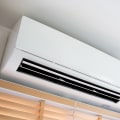
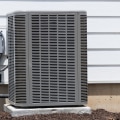
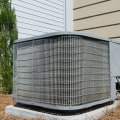
When it comes to maintaining a comfortable home environment, understanding the intricacies of HVAC quotes is essential for homeowners. An HVAC quote is not merely a number on a piece of paper; it represents a comprehensive assessment of your heating, ventilation, and air conditioning needs. This estimate outlines the costs associated with repairs or installations, providing a detailed breakdown that can significantly influence your decision-making process. For those searching for HVAC repair nearby, grasping the components of these quotes can empower you to negotiate effectively and ensure you receive a fair deal while also creating a budget for your overall home maintenance.Typically, an HVAC quote will include several key elements that contribute to the overall cost. When it comes to maintaining a comfortable home environment, understanding the intricacies of HVAC quotes is essential for homeowners. An HVAC quote is not merely a number on a piece of paper; it represents a comprehensive assessment of your heating, ventilation, and air conditioning needs. This estimate outlines the costs associated with repairs or installations, providing a detailed breakdown that can significantly influence your decision-making process. For those searching for HVAC repair nearby, grasping the components of these quotes can empower you to negotiate effectively and ensure you receive a fair deal while also creating a budget for your overall home maintenance.Typically, an HVAC quote will include several key elements that contribute to the overall cost.
First and foremost, there are the materials required for the job. This can range from replacement parts for an existing system to entirely new units, depending on your specific needs. Additionally, labor costs are a significant factor; skilled technicians will assess your system and perform the necessary work, which is reflected in the quote. Other potential charges may include permits, disposal fees for old equipment, and any additional services that may be required during installation or repair.Understanding these components is crucial not only for evaluating the fairness of a quote but also for identifying areas where negotiation may be possible.
For instance, if you notice that labor costs seem unusually high compared to other quotes you've received, this could be a point of discussion with the contractor. Furthermore, being aware of seasonal promotions or discounts offered by local HVAC companies can also provide leverage in negotiations. By familiarizing yourself with what goes into an HVAC quote, you position yourself to make informed decisions that can lead to significant savings while ensuring your home remains comfortable year-round.For instance, if you notice that labor costs seem unusually high compared to other quotes you've received, this could be a point of discussion with the contractor. Furthermore, being aware of seasonal promotions or discounts offered by local HVAC companies can also provide leverage in negotiations. By familiarizing yourself with what goes into an HVAC quote, you position yourself to make informed decisions that can lead to significant savings while ensuring your home remains comfortable year-round.
Factors Influencing Negotiability of HVAC Quotes
When it comes to negotiating HVAC quotes, understanding the various factors that influence their negotiability can significantly enhance your chances of securing a better deal. Here are some key elements to consider:Company Policies
Each HVAC company operates under its own set of policies regarding pricing and negotiation.Larger companies often have rigid pricing structures due to their established brand and operational costs. These companies may be less flexible in negotiations, as they rely on standardized pricing to maintain profitability. In contrast, smaller or independent contractors may have more leeway to negotiate, as they often have lower overhead costs and a desire to build a loyal customer base.
Local Market Competition
The level of competition in your local HVAC market plays a crucial role in determining how much room you have for negotiation. If there are multiple HVAC service providers in your area, you may find that companies are more willing to adjust their prices to attract customers.To leverage this, it’s advisable to obtain quotes from several providers. This not only gives you a clearer picture of the average costs but also provides you with leverage when discussing prices with different companies.
Seasonal Demand
The time of year can greatly affect the negotiability of HVAC quotes. During peak seasons—such as summer and winter—when demand for HVAC services is high, companies may be less inclined to negotiate prices. They often have a steady stream of customers and may prioritize quick service over competitive pricing.Conversely, during off-peak seasons, when demand is lower, companies might be more open to negotiation as they seek to fill their schedules and maintain cash flow.
Economic Conditions
The broader economic environment can also impact HVAC pricing and negotiability. In times of economic downturn or uncertainty, homeowners may be more cautious with their spending, prompting HVAC companies to offer more competitive pricing or discounts to attract business. Keeping an eye on local economic trends can provide insight into when it might be advantageous to negotiate. By understanding these factors—company policies, local market competition, seasonal demand, and economic conditions—you can approach negotiations with a strategic mindset. This knowledge empowers you to make informed decisions and increases your chances of obtaining favorable terms on your HVAC services.Researching Before You Negotiate
Before you engage in negotiations for your HVAC repair or installation, it is crucial to arm yourself with knowledge about the market.Understanding the landscape of HVAC services can significantly enhance your negotiating power and help you secure a better deal.
Conducting HVAC Market Research
- Start by researching local HVAC companies. Look for reviews and ratings on platforms like Google, Yelp, or Angie's List. This will give you insight into their reputation and the quality of their services.
- Check if the companies are licensed and insured. This not only protects you but also indicates a level of professionalism and reliability.
- Ask friends, family, or neighbors for recommendations.
Personal experiences can provide valuable insights that online reviews may not cover.
Understanding Average HVAC Costs
Next, familiarize yourself with the average costs associated with HVAC services in your area. This includes:
- The cost of new installations, which can range from $3,000 to $7,000 depending on the system type and size.
- Repair costs, which can vary widely based on the issue at hand. Simple repairs might cost a few hundred dollars, while more complex issues could run into the thousands.
- Maintenance fees, which are often overlooked but essential for prolonging the life of your system.
This will not only give you a clearer picture of what to expect but also allow you to identify any outliers in pricing.
Comparing HVAC Quotes
Once you have gathered quotes from different providers, take the time to compare them carefully. Look beyond just the bottom line; consider:
- The scope of work included in each quote. Are there any hidden fees or additional costs?
- The warranties offered on parts and labor. A longer warranty can indicate confidence in the work being performed.
- The timeline for completion.
Some companies may offer faster service at a premium price.
Effective Negotiation Tactics for Homeowners
Negotiating HVAC quotes can be a daunting task for many homeowners, but with the right tactics, you can secure a better deal. Here are some effective strategies to enhance your negotiation skills when discussing quotes with HVAC contractors.1.Do Your Homework
Before entering negotiations, it’s crucial to arm yourself with knowledge. Research the average costs of HVAC services in your area, including installation and repair prices. Websites like HomeAdvisor or Angie's List can provide valuable insights into typical pricing.Additionally, gather multiple quotes from different contractors to establish a baseline for negotiations. This information will empower you to make informed decisions and challenge any inflated prices.
2.Communicate Clearly and Confidently
Your communication style can significantly impact the negotiation process. Approach discussions with a clear and confident demeanor. Use straightforward language to express your needs and expectations.For instance, instead of saying, "I think this is too high," try stating, "Based on my research, I found that similar services are priced lower." This approach not only shows that you are informed but also encourages the contractor to consider your perspective seriously.
3.Ask About Discounts and Promotions
Many HVAC companies offer discounts that may not be advertised upfront. Don’t hesitate to ask about any available promotions, seasonal discounts, or special offers for first-time customers. You might be surprised at what savings you can uncover simply by inquiring.4.Leverage Competing Quotes
If you have received multiple quotes, use them to your advantage during negotiations. Let the contractor know that you are considering other options and that their quote is competing against others in the market.This tactic can motivate them to lower their price or offer additional services at no extra cost to win your business.
5.Be Open to Bundling Services
If you require multiple HVAC services—such as installation, maintenance, or repairs—consider bundling them together. Contractors may be more willing to negotiate a lower price if they see the potential for securing more business from you in one go.6.Maintain Professionalism
Throughout the negotiation process, it’s essential to remain polite and professional. Remember that the person on the other end is just doing their job. A respectful attitude fosters a positive atmosphere for negotiation and increases the likelihood of reaching a mutually beneficial agreement.7.Be Prepared to Walk Away
If negotiations do not yield satisfactory results, be prepared to walk away.There are numerous HVAC companies available, and you should never feel pressured into accepting a quote that does not meet your budget or expectations. Walking away can sometimes prompt contractors to reconsider their offer in hopes of retaining your business.By employing these tactics, homeowners can navigate the negotiation process with confidence and potentially save significant amounts on their HVAC services.
When to Walk Away from a Quote
Knowing when to walk away from an HVAC quote is a crucial skill for homeowners looking to make informed decisions. While it can be tempting to accept the first offer that comes your way, especially if you’re in urgent need of repairs or replacements, it’s essential to recognize when a quote does not align with your expectations or budget.Identifying Red Flags
- Vague Estimates: If the quote lacks detailed breakdowns of costs for materials, labor, and any additional fees, it may indicate that the contractor is not being transparent. A reputable HVAC company should provide a clear and itemized estimate.
- High Pressure Sales Tactics: Be wary of contractors who push you to make a quick decision.
If you feel rushed or pressured, it’s a sign that they may not have your best interests at heart.
- Unrealistically Low Quotes: While everyone loves a good deal, an estimate that seems too good to be true often is. Extremely low quotes can lead to subpar work or hidden costs that arise later.
- Lack of Credentials: Always verify the contractor’s licenses and insurance. If they cannot provide proof of their qualifications, it’s best to look elsewhere.
The Benefits of Walking Away
Being willing to walk away from a quote can empower you as a consumer. It allows you to:
- Explore Other Options: There are numerous HVAC companies available, and walking away gives you the opportunity to seek out better quotes that may offer more value for your money.
- Negotiate Better Terms: If you express your willingness to walk away, some contractors may reconsider their offer and provide more favorable terms or discounts.
- Avoid Regret: Accepting a quote that doesn’t meet your expectations can lead to dissatisfaction and regret down the line.
By being patient and thorough in your search, you can find a deal that truly meets your needs.
Common Mistakes to Avoid in Negotiations
Negotiating HVAC quotes can be a daunting task, and many homeowners inadvertently make mistakes that can hinder their ability to secure the best deal. By being aware of these common pitfalls, you can navigate the negotiation process more effectively and increase your chances of achieving a favorable outcome.1.Failing to Do Adequate Research
One of the most significant errors homeowners make is not conducting thorough research before entering negotiations. Understanding the average costs for HVAC repair nearby and familiarizing yourself with different systems and their pricing can provide you with a solid foundation for negotiation.Without this knowledge, you may find yourself accepting an inflated quote simply because you lack the necessary information to challenge it.
2.Not Getting Multiple Quotes
Another common mistake is failing to obtain multiple quotes from different HVAC companies. Relying on a single estimate can limit your options and reduce your bargaining power. By gathering several quotes, you can compare prices and services, which not only helps you identify a fair price but also gives you leverage in negotiations.3.Ignoring the Fine Print
Homeowners often overlook the details in the quotes they receive. It's crucial to read through all terms and conditions carefully, as hidden fees or unclear language can lead to unexpected costs later on.Pay attention to aspects such as warranty coverage, maintenance agreements, and any additional charges that may apply.
4.Being Too Aggressive
While it's essential to advocate for yourself during negotiations, being overly aggressive can backfire. HVAC professionals are more likely to respond positively to polite and respectful communication. Approaching negotiations with a collaborative mindset rather than an adversarial one can foster goodwill and lead to better outcomes.5.Focusing Solely on Price
Many homeowners make the mistake of concentrating solely on the price of the quote without considering the overall value of the service being offered. It's important to evaluate factors such as the company's reputation, experience, and customer service quality.A lower price may not always equate to better value if it compromises quality or reliability.
6.Not Being Prepared to Walk Away
Finally, one of the biggest mistakes is not being willing to walk away from a negotiation that doesn't meet your needs or expectations. If a company is unwilling to negotiate or provide satisfactory terms, it’s essential to remember that there are other options available. Being prepared to explore alternatives can empower you during negotiations.By avoiding these common mistakes, you can enhance your negotiation skills and improve your chances of securing a favorable deal on your HVAC services.FAQs About Negotiating HVAC Quotes
When it comes to negotiating HVAC quotes, homeowners often have a myriad of questions. Understanding the nuances of this process can significantly impact your overall experience and financial outcome.Here are some frequently asked questions that can help clarify common concerns and misconceptions.
1.Are HVAC quotes always negotiable?
While many homeowners assume that HVAC quotes are set in stone, the reality is that they are often negotiable. Factors such as the company’s pricing policies, competition in your area, and the time of year can all influence how much wiggle room you have. Smaller, independent contractors may be more flexible than larger companies with strict pricing structures.2.What should I do if I receive multiple quotes?
Receiving multiple quotes is a smart strategy when considering HVAC services. It not only gives you a range of prices but also provides leverage during negotiations.When discussing quotes with different companies, you can mention lower offers from competitors to see if they are willing to match or beat those prices.
3.How can I prepare for negotiations?
Preparation is key to successful negotiations. Start by researching the average costs for HVAC services in your area. Gather quotes from several companies and familiarize yourself with their offerings. This knowledge will empower you to negotiate confidently and effectively.4.What types of discounts should I ask about?
Many HVAC companies offer various discounts that you might qualify for, including:- First-time customer discounts
- Seniors or military personnel discounts
- Seasonal promotions
- Referral discounts
5.What if I’m not satisfied with the quote?
If you find that a quote does not meet your expectations or budget, it’s essential to communicate this with the contractor.Express your concerns and see if there’s room for adjustment. If they are unwilling to negotiate, remember that you have the option to walk away and seek other providers.By addressing these common questions, homeowners can approach the negotiation process with greater confidence and clarity, ultimately leading to better deals on their HVAC services.
Conclusion: Securing the Best Deal on Your HVAC Needs
In conclusion, navigating the world of HVAC quotes can be a daunting task, but with the right knowledge and preparation, you can secure the best deal for your needs. Throughout this article, we have explored various aspects of negotiating HVAC quotes, emphasizing that HVAC repair nearby is not just about finding the lowest price but also about ensuring quality service and reliability.To recap, understanding the components of an HVAC quote is crucial. Knowing what factors contribute to the overall cost—such as materials, labor, and potential additional fees—will empower you during negotiations.Remember that these quotes are estimates and can often be adjusted based on your discussions with the contractor.Several factors influence the negotiability of HVAC quotes. Company policies can vary significantly; while larger firms may adhere to strict pricing structures, smaller contractors often have more flexibility. Additionally, competition in your area can work to your advantage. By obtaining multiple quotes, you can leverage offers against one another to negotiate a better price.The timing of your request also plays a role.
During off-peak seasons, companies may be more willing to negotiate as they seek to fill their schedules. This is an excellent opportunity for homeowners to take advantage of potential discounts.When it comes to negotiation tactics, thorough research is your best ally. Familiarize yourself with average costs in your area and be prepared to discuss them confidently. Maintain a polite and professional demeanor throughout the process; this fosters a positive relationship with the contractor and increases your chances of securing a favorable deal.Don’t hesitate to ask about discounts or special offers that may apply to you.
Many companies provide incentives for first-time customers or specific groups such as seniors or military personnel. Furthermore, consider bundling services if you require multiple HVAC solutions; this could lead to significant savings.Finally, always be prepared to walk away if the terms do not meet your expectations. There are numerous HVAC companies available, and you should never feel pressured into accepting an offer that doesn’t align with your budget or needs.By applying these strategies and insights, you can approach your HVAC negotiations with confidence and clarity. Take action today by researching local options and preparing for discussions that will ultimately lead you to a better deal on your HVAC services.