The HVAC (Heating, Ventilation, and Air Conditioning) industry plays a crucial role in maintaining comfortable living and working environments. As the demand for energy-efficient and environmentally friendly systems continues to rise, the HVAC sector has become increasingly significant in both residential and commercial settings. This industry not only focuses on the installation and maintenance of heating and cooling systems but also emphasizes the importance of air quality and energy conservation. With advancements in technology, HVAC professionals are now more vital than ever in ensuring that systems operate efficiently and sustainably.For those considering a career in this dynamic field, the opportunities are vast and varied.
From hands-on roles such as HVAC technicians who perform repairs and installations to specialized positions like HVAC design engineers who create innovative systems, there is a career path for nearly every skill set. The industry is also seeing a growing need for project managers who can oversee large-scale installations and ensure that projects are completed on time and within budget. This diversity in job roles not only caters to different interests but also provides numerous avenues for career advancement.Moreover, as the world shifts towards smarter technologies, HVAC professionals are increasingly required to adapt to new systems that integrate automation and energy management solutions. This evolution opens up even more job opportunities, particularly for those with expertise in smart home technologies and green building practices.
With a strong foundation in HVAC principles, individuals can find rewarding careers that offer competitive salaries and job security.In summary, the HVAC industry is not just about heating and cooling; it encompasses a wide range of career opportunities that are essential for modern living. As we delve deeper into the top-paying jobs within this field, it becomes clear that pursuing a career in HVAC can lead to both personal fulfillment and financial success.
Understanding HVAC Roles and Responsibilities
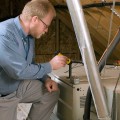
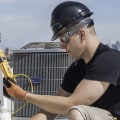
The HVAC industry encompasses a wide range of roles, each with its own set of responsibilities and requirements. Understanding these roles is crucial for anyone considering a career in this field, as it helps to clarify the skills needed and the potential career paths available.HVAC Technicians
are often the backbone of the industry. Their primary responsibilities include:
- Installation: Technicians install heating, ventilation, and air conditioning systems in residential and commercial buildings.
This involves reading blueprints, understanding building codes, and ensuring that systems are installed correctly and safely.
- Maintenance: Regular maintenance is essential for the longevity and efficiency of HVAC systems. Technicians perform routine checks, clean components, and replace filters to ensure optimal performance.
- Repair: When systems fail, technicians diagnose issues and perform necessary repairs. This requires a strong understanding of various HVAC components and troubleshooting skills.
HVAC Engineers
play a different but equally important role in the industry. Their responsibilities typically include:
- System Design: Engineers design HVAC systems tailored to specific building requirements.
They must consider factors such as energy efficiency, environmental impact, and compliance with local regulations.
- Project Management: Many engineers oversee projects from conception to completion, coordinating with contractors and ensuring that designs are implemented correctly.
- Research and Development: Engineers often engage in R&D to innovate new technologies or improve existing systems, focusing on sustainability and efficiency.
HVAC Project Managers
are responsible for overseeing HVAC projects, ensuring they are completed on time and within budget. Their duties include:
- Planning: Project managers develop detailed project plans that outline timelines, budgets, and resource allocation.
- Coordination: They coordinate between various stakeholders, including clients, engineers, and technicians, to ensure smooth project execution.
- Quality Control: Ensuring that all work meets industry standards and client expectations is a critical part of their role.
Factors Influencing Salaries in the HVAC Industry
Understanding the factors that influence salaries in the HVAC industry is crucial for both aspiring technicians and seasoned professionals. Several key elements can significantly impact earning potential, including experience, location, type of employer, and specialization.Experience
is perhaps the most significant factor affecting salary in the HVAC field.
As with many professions, individuals with more years of hands-on experience tend to command higher wages. Entry-level technicians may start with modest salaries, but as they gain expertise and tackle more complex systems, their earning potential increases. For instance, a technician with just a few years of experience might earn around $40,000 annually, while those with a decade or more in the field can see salaries soar to $70,000 or more.
Location
also plays a critical role in determining HVAC salaries. Urban areas or regions with a high cost of living typically offer higher wages compared to rural locations.
This discrepancy is often due to increased demand for HVAC services in densely populated areas where residential and commercial buildings require regular maintenance and installation. For example, technicians working in cities like New York or San Francisco may earn significantly more than their counterparts in smaller towns.The type of employer can further influence salary levels. Technicians employed by large corporations or government agencies often enjoy better compensation packages than those working for smaller companies. Larger employers usually have more resources to offer competitive salaries and benefits, which can include health insurance, retirement plans, and paid time off.Finally, specialization within the HVAC field can lead to higher earnings.
Technicians who focus on niche areas such as commercial refrigeration or advanced climate control systems may find themselves in high demand and able to command premium wages. Specializing in green technologies or smart home systems is increasingly valuable as the industry shifts towards energy efficiency and sustainability.In summary, understanding these factors—experience, location, type of employer, and specialization—can help HVAC professionals navigate their career paths and maximize their earning potential.
Top-Paying Jobs in HVAC
The HVAC industry offers a variety of lucrative career paths, each with its own unique responsibilities and earning potential. Below are some of the highest paying jobs in the HVAC sector, along with their average salaries and key duties.1.HVAC Project Manager
An HVAC project manager plays a crucial role in overseeing the planning, execution, and completion of HVAC projects. This position requires a blend of technical knowledge and managerial skills.An HVAC project manager plays a crucial role in overseeing the planning, execution, and completion of HVAC projects. This position requires a blend of technical knowledge and managerial skills.Responsibilities include:
- Coordinating with clients to understand project requirements.
- Managing budgets and timelines to ensure projects are completed on schedule.
- Supervising teams of technicians and engineers.
- Ensuring compliance with safety regulations and building codes.
2.HVAC Sales Engineer
HVAC sales engineers are responsible for selling heating and cooling systems to both residential and commercial clients. They leverage their technical expertise to provide tailored solutions that meet customer needs. Key responsibilities include:- Conducting site assessments to evaluate client requirements.
- Developing proposals and presenting them to potential clients.
- Building relationships with customers to foster repeat business.
- Staying updated on industry trends and product innovations.
3.HVAC Design Engineer
HVAC design engineers focus on creating efficient heating and cooling systems for various types of buildings. Their work involves:- Designing systems that comply with local building codes and energy efficiency standards.
- Utilizing software tools to model system performance.
- Collaborating with architects and construction teams to integrate HVAC systems into building designs.
4.HVAC Controls Technician
HVAC controls technicians are essential for maintaining the electronic systems that regulate heating and cooling operations.Their responsibilities include:
- Installing and troubleshooting control systems for HVAC equipment.
- Ensuring optimal performance through regular maintenance checks.
- Updating software and firmware for control systems as needed.
The Future of Salaries in the HVAC Industry
As we look toward the future of the HVAC industry, several key trends are poised to influence salary structures and job opportunities for technicians. The increasing demand for energy-efficient systems, coupled with rapid technological advancements, is reshaping the landscape of HVAC jobs.Growing Demand for Energy-Efficient Solutions
With a heightened focus on sustainability and environmental responsibility, consumers and businesses alike are prioritizing energy-efficient HVAC systems. This shift is driven by both regulatory requirements and a growing awareness of the long-term cost savings associated with energy-efficient technologies. As a result, HVAC technicians who specialize in these systems will likely see an increase in demand for their services.According to industry forecasts, the market for energy-efficient HVAC systems is expected to grow significantly over the next decade.
This growth will not only create more job opportunities but also lead to higher salaries for technicians who possess the necessary skills and certifications in this area.
Technological Advancements
The HVAC industry is undergoing a technological revolution, with innovations such as smart thermostats, IoT-enabled systems, and advanced control technologies becoming increasingly prevalent. These advancements require technicians to have a deeper understanding of electronics and software integration. As a result, those who invest in ongoing education and training in these areas will be better positioned to command higher salaries.Moreover, as smart home technology continues to gain traction, HVAC professionals who can integrate these systems into residential and commercial buildings will be in high demand. This trend not only enhances job security but also opens up avenues for higher earnings.
Impact of Economic Factors
While the future looks promising for HVAC salaries, it is essential to consider economic factors that may influence job availability and compensation.
Economic downturns can lead to reduced spending on new installations and upgrades, which may temporarily affect demand for HVAC services. However, the ongoing need for maintenance and repair services ensures that skilled technicians will remain essential.In conclusion, the future of salaries in the HVAC industry appears bright, driven by increasing demand for energy-efficient solutions and technological advancements. Technicians who adapt to these changes by enhancing their skills and knowledge will likely enjoy competitive salaries and robust job prospects in the years to come.
Skills and Qualifications Needed for High-Paying HVAC Jobs
To excel in high-paying HVAC jobs, candidates must possess a combination of technical skills, formal education, and relevant certifications. The HVAC industry is constantly evolving, and staying updated with the latest technologies and practices is crucial for career advancement.Essential Skills for HVAC Professionals
- Technical Proficiency: A strong understanding of heating, ventilation, and air conditioning systems is fundamental.
This includes knowledge of how different systems operate, troubleshooting techniques, and repair methods.
- Problem-Solving Skills: HVAC technicians often face complex issues that require analytical thinking and creativity to resolve. Being able to diagnose problems quickly and effectively is essential.
- Attention to Detail: Precision is key in HVAC work. Technicians must ensure that installations and repairs meet safety standards and function correctly.
- Customer Service Skills: Many HVAC professionals interact directly with clients. Strong communication skills are necessary to explain technical issues in layman's terms and provide excellent service.
- Physical Stamina: The job often requires lifting heavy equipment, working in confined spaces, and standing for long periods.
Physical fitness is an important aspect of the role.
Educational Requirements
A high school diploma or equivalent is typically the minimum educational requirement for entering the HVAC field. However, many employers prefer candidates who have completed a formal training program or apprenticeship. These programs often cover essential topics such as:- Basic electrical theory
- Refrigeration principles
- System design and installation
- Safety protocols
Certifications and Licenses
Obtaining relevant certifications can significantly enhance job prospects and earning potential. Some of the most recognized certifications include:- EPA Section 608 Certification: Required for technicians who handle refrigerants, this certification ensures compliance with environmental regulations.
- NATE Certification: The North American Technician Excellence (NATE) certification demonstrates a technician's knowledge and skills in specific areas of HVAC.
- State Licenses: Many states require HVAC technicians to hold a valid license to operate legally.
Requirements vary by state, so it's essential to check local regulations.
Ongoing Training and Development
The HVAC industry is rapidly changing due to advancements in technology and energy efficiency standards. Continuous education through workshops, seminars, or online courses is vital for professionals looking to stay competitive. Topics may include:- New technologies in HVAC systems
- Sustainable practices and green technologies
- Advanced troubleshooting techniques
How to Find High-Paying HVAC Jobs Near You
Finding high-paying HVAC jobs in your local area can be a rewarding endeavor, especially as the demand for skilled technicians continues to rise. Here are some effective strategies to help you uncover lucrative job opportunities in the HVAC industry.1.Leverage Job Boards and Websites
Utilizing online job boards is one of the most efficient ways to find HVAC positions nearby.Websites like Indeed , Monster , and Glassdoor allow you to filter job listings by location, salary range, and job type. When searching, use keywords such as "HVAC repair nearby" or "HVAC technician jobs near me" to narrow down your results. Additionally, consider specialized job boards like HVAC Jobs or HVAC Agent , which focus specifically on the HVAC industry.
2.Network Within the Industry
Networking is crucial in any job search, and the HVAC field is no exception. Attend local trade shows, workshops, and seminars related to HVAC technology.These events provide excellent opportunities to meet industry professionals and learn about potential job openings. Joining local HVAC associations or groups on social media platforms like LinkedIn can also help you connect with others in the field who may know of high-paying positions available in your area.
3.Utilize Local Resources
Your local community can be a valuable resource when searching for HVAC jobs. Check with community colleges or vocational schools that offer HVAC training programs; they often have job placement services or connections with local employers looking for skilled technicians. Additionally, local unions may have information on job openings and can provide support in your job search.4.Tailor Your Resume and Cover Letter
When applying for HVAC positions, ensure that your resume and cover letter are tailored to highlight your relevant skills and experiences.Emphasize any specialized training or certifications you possess, as well as your proficiency with specific HVAC systems or technologies. A well-crafted application can set you apart from other candidates and increase your chances of landing a high-paying job.
5.Follow Up on Applications
After submitting your applications, don’t hesitate to follow up with potential employers. A polite email or phone call expressing your continued interest in the position can demonstrate your enthusiasm and commitment, making a positive impression on hiring managers.By employing these strategies, you can effectively navigate the job market and discover high-paying HVAC jobs nearby that align with your skills and career goals.Conclusion: Navigating Your Career in the HVAC Industry
As we conclude our exploration of the HVAC industry, it’s essential to reflect on the numerous opportunities that await those who choose to embark on this career path. The HVAC sector is not only vital for maintaining comfortable living and working environments but also offers a range of lucrative job prospects that can lead to significant financial rewards.Throughout this article, we have highlighted several high-paying roles within the HVAC field, including:- HVAC Project Manager : Overseeing projects from inception to completion, these professionals can earn an average salary of $85,000 per year.
- HVAC Sales Engineer : With a focus on selling systems tailored to client needs, they can command salaries around $80,000 annually.
- HVAC Design Engineer : Responsible for creating efficient heating and cooling systems, these engineers typically earn about $75,000 per year.
- HVAC Controls Technician : Specializing in electronic controls for HVAC systems, they can expect an average salary of $70,000.
This trend not only ensures job stability but also opens doors for continuous learning and advancement within the field. As technology evolves, so too will the opportunities for those willing to adapt and expand their skill sets.For individuals considering a career in HVAC, it’s crucial to recognize the importance of training and certification. Engaging in apprenticeships or specialized training programs can significantly enhance your employability and earning potential. Additionally, staying informed about industry trends and advancements will position you as a valuable asset in this competitive market.In summary, the HVAC industry presents a promising career path characterized by high earning potential and job security.
Whether you are just starting your journey or looking to advance your current role, the opportunities are abundant. Embrace the chance to build a rewarding career in HVAC and contribute to a sustainable future.