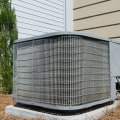
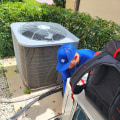
When it comes to maintaining a comfortable indoor environment, understanding the role of an AC compressorAC compressor is essential. This vital component serves as the heart of your air conditioning system, responsible for circulating refrigerant and facilitating the heat exchange process that cools your home. Without a properly functioning compressor, your HVAC system cannot effectively regulate temperature, leading to discomfort and increased energy costs. There are several types of AC compressors available, each designed to meet specific cooling needs and efficiency standards. The most common types include reciprocating compressors , which use pistons to compress refrigerant; scroll compressors , known for their quiet operation and energy efficiency; and rotary compressors , which are often found in smaller systems due to their compact size.
Understanding these variations is crucial when selecting a compressor that aligns with your system's requirements. To grasp how AC compressors work, it's important to recognize their role in the refrigeration cycle. The compressor takes low-pressure refrigerant gas from the evaporator coil and compresses it into a high-pressure gas. This process raises the temperature of the refrigerant, allowing it to release heat as it moves through the condenser coil. As the refrigerant cools and condenses back into a liquid state, it returns to the evaporator coil to absorb heat from your indoor air, thus completing the cycle.
This continuous process not only cools your home but also helps maintain optimal humidity levels. In summary, understanding AC compressors is fundamental for anyone looking to make informed decisions about their HVAC system. By familiarizing yourself with the different types of compressors and their operational mechanics, you can better appreciate the importance of selecting the right unit for your specific needs. This knowledge will ultimately lead to improved efficiency, lower energy bills, and enhanced comfort in your living space.
Factors to Consider When Choosing an AC Compressor
When it comes to selecting the right AC compressor, several critical factors come into play that can significantly impact the performance and longevity of your HVAC system. Understanding these factors will help you make an informed decision that aligns with your specific needs.- Brand Compatibility: One of the foremost considerations is ensuring that the AC compressor you choose is compatible with your existing HVAC system.
It is generally advisable to select a compressor from the same brand as your air conditioning unit. This compatibility not only ensures optimal performance but also simplifies future repairs and maintenance.
- Size and Capacity: The size of the AC compressor is another vital factor. Compressors are rated by their capacity, typically measured in tons. Choosing a compressor that matches the cooling capacity required for your space is essential.
An undersized compressor will struggle to cool your home, leading to increased wear and tear, while an oversized unit may cycle on and off too frequently, reducing efficiency.
- Efficiency Ratings: Look for compressors with high efficiency ratings, such as SEER (Seasonal Energy Efficiency Ratio) or EER (Energy Efficiency Ratio). Higher ratings indicate better energy efficiency, which can lead to lower utility bills over time. Investing in an energy-efficient compressor may have a higher upfront cost but can save you money in the long run.
- Specific Needs: Consider any unique requirements based on your HVAC system's design and your personal preferences. For instance, if you live in an area with extreme temperatures, you may need a more robust compressor that can handle higher loads.
Additionally, if noise levels are a concern, look for models designed for quieter operation.
- Warranty and Support: Finally, evaluate the warranty offered by the manufacturer. A comprehensive warranty can provide peace of mind and protect your investment. Additionally, consider the availability of customer support and service options from local HVAC professionals.
The Importance of Brand Compatibility
When it comes to selecting an AC compressor, one of the most critical factors to consider is brand compatibility. This concept refers to the importance of matching the brand of your AC compressor with that of your HVAC system.Ensuring that these components are from the same manufacturer can significantly influence the overall performance and longevity of your air conditioning system.
Why Brand Compatibility Matters
Each HVAC brand designs its systems with specific engineering standards and performance metrics in mind. When you choose a compressor that aligns with these standards, you enhance the likelihood of optimal performance. Here are some reasons why brand compatibility is essential:
- Performance Efficiency: A compressor designed for a specific HVAC system will work more efficiently, leading to better cooling performance and energy savings.
- Seamless Integration: Components from the same brand are engineered to fit together perfectly, reducing the risk of installation issues and ensuring that all parts function harmoniously.
- Warranty Considerations: Many manufacturers require that repairs or replacements be performed using their branded parts to maintain warranty coverage. Using a compatible compressor can help you avoid voiding your warranty.
Top AC Compressor Brands
When searching for a new AC compressor, it’s beneficial to consider some of the leading brands in the industry.
Here are a few reputable names known for their quality and reliability:
- Trane: Renowned for durability and efficiency, Trane compressors are often considered top-tier in the HVAC market.
- Lennox: Known for innovative technology and energy-efficient models, Lennox compressors are a popular choice among homeowners.
- Carrier: With a long-standing reputation for quality, Carrier offers a range of compressors suitable for various HVAC systems.
- Rheem: Rheem compressors are recognized for their reliability and value, making them a solid option for many households.
Assessing Your HVAC System's Needs
Understanding your HVAC system's specific needs is crucial for maintaining optimal performance and efficiency. A thorough assessment can help you identify whether your AC compressor is functioning properly or if it requires replacement. Here are some key factors to consider when evaluating your HVAC system:- Age of the System: The lifespan of an HVAC system typically ranges from 10 to 15 years.
If your system is approaching this age, it may be time to consider a replacement, especially if you notice any performance issues.
- Energy Efficiency: If your energy bills have been steadily increasing without a corresponding rise in usage, it could indicate that your AC compressor is struggling to maintain efficiency. Look for signs such as inconsistent cooling or frequent cycling on and off.
- Noise Levels: Unusual sounds coming from your AC unit, such as grinding, squealing, or banging, can be a sign of compressor issues. These noises often indicate that internal components are failing and may require immediate attention.
- Refrigerant Leaks: If you notice any signs of refrigerant leaks around your unit, it can severely impact the performance of your compressor. Low refrigerant levels can lead to overheating and eventual failure.
- Inconsistent Temperatures: If certain rooms in your home are significantly warmer or cooler than others, it may indicate that the compressor is not distributing air evenly throughout the system.
They can perform a comprehensive inspection and provide insights into the condition of your AC compressor and overall system. This proactive approach not only helps in identifying potential issues early but also ensures that you make informed decisions regarding repairs or replacements.By understanding these critical aspects of your HVAC system, you can better determine when it's time to seek HVAC repair nearby or consider investing in a new AC compressor. Taking action at the right time can save you money in the long run and enhance the comfort of your living space.
Cost Considerations: Repair vs. Replacement
When faced with a malfunctioning AC compressor, homeowners often grapple with the decision of whether to repair or replace the unit.Understanding the cost implications of each option is crucial for making an informed choice that aligns with your budget and long-term needs.
AC Compressor Repair Costs
The cost of repairing an AC compressor can vary significantly based on several factors, including:
- Type of Repair: Minor repairs, such as replacing a capacitor or fixing a refrigerant leak, can range from $150 to $500. However, more extensive repairs may cost upwards of $1,000.
- Labor Costs: Labor rates differ by region and company. On average, you might expect to pay between $75 and $150 per hour for a certified HVAC technician.
- Age of the Unit: If your compressor is relatively new, investing in repairs may be worthwhile. However, if it’s nearing the end of its lifespan (typically 10-15 years), repairs may not be cost-effective.
When to Replace Your AC Compressor
There are specific scenarios where replacing your AC compressor is more beneficial than repairing it:
- Frequent Breakdowns: If you find yourself calling for repairs multiple times within a single season, it may be time to consider a replacement.
- High Repair Costs: If repair costs exceed 50% of the price of a new unit, replacement is often the more economical choice.
- Energy Efficiency: Newer models are typically more energy-efficient, which can lead to significant savings on your utility bills over time.
Cost-Effective HVAC Solutions
If you decide that replacement is the best route, consider these cost-effective strategies:
- Get Multiple Quotes: Always obtain estimates from several HVAC companies to ensure you’re getting a fair price.
- Look for Rebates: Many manufacturers and local utilities offer rebates for energy-efficient models, which can help offset the initial investment.
- Schedule Regular Maintenance: Preventative maintenance can extend the life of your new compressor and reduce the likelihood of costly repairs in the future.
Maintenance Tips for Your AC Compressor
Maintaining your AC compressor is essential for ensuring its longevity and efficiency.Regular maintenance not only helps in preventing costly repairs but also enhances the overall performance of your air conditioning system. Here are some practical tips to keep your AC compressor in top shape:
- Schedule Annual Maintenance: One of the most effective ways to prolong the lifespan of your AC compressor is to schedule annual maintenance with a certified HVAC technician. This professional check-up can identify potential issues before they escalate into major problems.
- Keep the Area Clean: Ensure that the area around your outdoor unit is free from debris, leaves, and dirt. A clean environment allows for proper airflow, which is crucial for the efficient operation of your AC compressor.
- Check and Replace Filters: Regularly inspect and replace air filters as needed.
Clogged filters can restrict airflow, causing the compressor to work harder and potentially leading to overheating.
- Monitor Refrigerant Levels: Low refrigerant levels can indicate a leak or other issues within the system. Regularly check refrigerant levels and consult a professional if you notice any discrepancies.
- Inspect Electrical Components: Periodically check electrical connections and components for signs of wear or damage. Loose or corroded connections can lead to inefficient operation or even system failure.
- Listen for Unusual Noises: Pay attention to any strange sounds coming from your AC unit. Unusual noises can be a sign of mechanical issues that require immediate attention from an HVAC professional.
Remember, investing in regular maintenance not only saves you money in the long run but also ensures that your home remains comfortable throughout the year. If you’re unsure about performing any maintenance tasks yourself, don’t hesitate to reach out to a reliable HVAC repair nearby for assistance.
Finding Reliable HVAC Repair Services Nearby
When your air conditioning system requires attention, finding reliable HVAC repair nearby is crucial for ensuring your home remains comfortable. Here are some effective strategies to help you locate trustworthy HVAC technicians in your area.1.Start with Recommendations
- Ask friends, family, or neighbors for referrals. Personal experiences can provide valuable insights into the quality of service.
- Check online reviews on platforms like Google, Yelp, or Angie's List.
Look for companies with consistently high ratings and positive feedback.
2.Verify Credentials
- Ensure that the HVAC technicians you consider are licensed and insured. This protects you from liability in case of accidents during repairs.
- Look for certifications from recognized organizations, such as the North American Technician Excellence (NATE) or the Air Conditioning Contractors of America (ACCA). These credentials indicate a commitment to industry standards.
3.Evaluate Experience and Expertise
- Inquire about the technician's experience with your specific type of HVAC system. Different systems may require specialized knowledge.
- Ask how long the company has been in business.
Established companies often have a proven track record of reliability.
4.Request Estimates
- Obtain written estimates from multiple service providers. This will give you a clearer picture of the average costs and help you avoid overpaying.
- Be wary of unusually low estimates, as they may indicate subpar service or hidden fees.
5.Understand What to Expect
- A reputable HVAC technician should conduct a thorough inspection before providing a diagnosis or estimate. This ensures that all issues are identified and addressed.
- Discuss warranty options for both parts and labor. A good warranty can save you money on future repairs.
Frequently Asked Questions About AC Compressors
When it comes to AC compressors, many homeowners have questions regarding their functionality, maintenance, and troubleshooting.Below are some of the most frequently asked questions that can help you better understand your AC compressor and its role in your HVAC system.
What is an AC compressor and what does it do?
The AC compressor is a vital component of your air conditioning system. It is responsible for compressing the refrigerant gas and circulating it through the system. This process allows the refrigerant to absorb heat from inside your home and release it outside, effectively cooling your living space.How do I know if my AC compressor is failing?
Signs of a failing AC compressor can include:- Unusual noises: Grinding, squealing, or clanking sounds may indicate mechanical issues.
- Inconsistent cooling: If some rooms are cooler than others or if the system struggles to maintain a set temperature, the compressor may be at fault.
- Increased energy bills: A failing compressor can cause your system to work harder, leading to higher energy costs.
- Leaking refrigerant: If you notice any fluid leaks around the unit, this could signal a problem with the compressor.
Can I repair my AC compressor myself?
While some minor issues may be addressed with DIY methods, it is generally not advisable to attempt major repairs on your AC compressor without professional help. Compressors contain high-pressure refrigerants and require specialized tools and knowledge for safe handling.Hiring a certified HVAC technician ensures that repairs are done correctly and safely.
How often should I have my AC compressor serviced?
Regular maintenance is key to prolonging the life of your AC compressor. It is recommended to schedule professional inspections at least once a year. During these visits, technicians can check for potential issues, clean components, and ensure that your system operates efficiently.What should I do if my AC compressor needs replacement?
If you find that your AC compressor is beyond repair, consult with a licensed HVAC contractor. They can help you choose a compatible replacement unit that fits your specific air conditioning system.Additionally, they will ensure proper installation to maximize efficiency and performance.By understanding these common questions about AC compressors, you can make informed decisions regarding maintenance and repairs. If you have further concerns or need assistance, consider reaching out to HVAC repair nearby services for expert guidance.
Conclusion: Making an Informed Decision on Your AC Compressor
In conclusion, selecting the right AC compressor is a critical decision that can significantly influence the performance, efficiency, and longevity of your air conditioning system. Throughout this guide, we have explored various factors that should be taken into account when making this choice.First and foremost, it is essential to consider the brand compatibility. Choosing a compressor that matches your existing HVAC system not only ensures optimal performance but also simplifies future repairs and maintenance.This compatibility can save you time and money in the long run.Additionally, understanding the location of your HVAC system is vital. If your unit is situated in a hard-to-reach area, repairs may become more complicated and costly. Therefore, assessing accessibility before making a purchase can help you avoid unexpected expenses.Another key point discussed is the age and condition of your current system. If your HVAC unit is nearing the end of its lifespan, it may be more prudent to consider a complete system replacement rather than just swapping out the compressor.
This proactive approach can prevent frequent breakdowns and costly repairs in the future.Regular maintenance is also crucial for keeping your AC compressor in top shape. Scheduling annual check-ups with a certified technician can help identify potential issues before they escalate into major problems. This not only extends the life of your compressor but also enhances overall system efficiency.When faced with a malfunctioning compressor, it’s important to consult with an experienced HVAC technician who can accurately assess whether a repair or replacement is necessary. Their expertise will guide you in making an informed decision that aligns with your budget and needs.Finally, obtaining multiple quotes from different HVAC companies can provide valuable insights into repair costs and options available to you.
This practice empowers you to make a well-informed choice that fits within your financial parameters.By taking these considerations into account, you can confidently choose an AC compressor that meets your needs while ensuring reliable performance for years to come. Remember, investing time in research today will pay off with a more efficient and effective cooling system tomorrow.