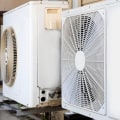
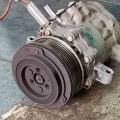
The air conditioning compressor is often referred to as the heart of an HVAC system, and for good reason. This vital component is responsible for circulating refrigerant throughout the system, enabling the cooling process that keeps our homes comfortable during the sweltering summer months. Without a properly functioning compressor, the entire air conditioning unit would be rendered ineffective, leading to discomfort and potential health risks associated with excessive heat. Understanding the role of the compressor is essential for homeowners who wish to maintain their HVAC systems effectively.Compressors come in various types, including reciprocating, scroll, and rotary models, each designed to meet specific cooling needs.
Regardless of the type, all compressors share a common purpose: to compress low-pressure refrigerant gas into a high-pressure gas, which then flows through the condenser coils where it releases heat and transforms into a liquid state. This cycle is crucial for maintaining optimal indoor temperatures and ensuring energy efficiency. Given their complexity and importance, compressors are often one of the most expensive components to repair or replace within an HVAC system.Moreover, the significance of the compressor extends beyond mere functionality; it also plays a critical role in energy consumption. A well-maintained compressor operates efficiently, reducing energy costs and extending the lifespan of the entire HVAC system.
Conversely, a failing or poorly maintained compressor can lead to increased energy bills and frequent breakdowns, making it imperative for homeowners to prioritize regular maintenance and timely repairs. By understanding the importance of this component, homeowners can make informed decisions about their HVAC systems and avoid costly repairs down the line.
Why Are Compressors So Expensive?
The cost of air conditioning compressors can be surprisingly high, and understanding the reasons behind this expense is crucial for homeowners. Several factors contribute to the elevated prices of these essential components, making them a significant investment in your HVAC system.1.Manufacturing Complexity
Compressors are intricate machines that require precise engineering and high-quality materials. The manufacturing process involves advanced technology and skilled labor, which adds to the overall cost.
Each compressor must meet strict performance standards to ensure reliability and efficiency, leading to higher production costs.
2.Advanced Technology
Modern compressors often incorporate cutting-edge technology designed to enhance energy efficiency and performance. Features such as variable speed operation, inverter technology, and smart controls not only improve comfort but also reduce energy consumption. However, these innovations come at a price, contributing to the higher cost of compressors.
3.Market Demand
The demand for high-efficiency HVAC systems has surged in recent years, driven by rising energy costs and increased awareness of environmental issues. As more homeowners seek out energy-efficient solutions, the demand for quality compressors has risen, leading to higher prices.
Additionally, fluctuations in the market can affect the availability of raw materials, further impacting costs.
4.Warranty and Reliability
Investing in a high-quality compressor often means benefiting from extended warranties and better reliability. Manufacturers that stand behind their products typically charge more upfront but offer peace of mind through comprehensive warranties. This reliability is crucial for homeowners who want to avoid costly repairs or replacements down the line.
5.Installation Costs
It's important to remember that the cost of a compressor is just one part of the equation. Proper installation is vital for optimal performance and longevity.
Hiring a reputable HVAC technician for installation can add to your initial investment but is essential for ensuring that your system operates efficiently and effectively.In conclusion, while the price of air conditioning compressors may seem steep, it reflects the complexity of manufacturing, advanced technology, market demand, warranty considerations, and installation requirements. Understanding these factors can help homeowners appreciate the value of investing in quality HVAC repairs and maintenance.
Signs Your Compressor May Need Repair or Replacement
Understanding the signs that your air conditioning compressor may be failing is crucial for maintaining a comfortable home environment and avoiding costly repairs. Here are some common symptoms to watch for:- Unusual Noises: If you start hearing strange sounds such as grinding, squealing, or clanking coming from your AC unit, it could indicate that the compressor is struggling. These noises often suggest that internal components are wearing out or that there is a mechanical failure.
- Inconsistent Cooling: One of the primary functions of the compressor is to circulate refrigerant throughout the system.
If you notice that some rooms are warmer than others or that your AC is not cooling effectively, it may be a sign that the compressor is failing to do its job.
- Increased Energy Bills: A sudden spike in your energy bills can indicate that your compressor is working harder than it should be. This inefficiency often results from wear and tear on the unit, leading to higher energy consumption.
- Short Cycling: If your air conditioner frequently turns on and off in short intervals, this could be a sign of compressor issues. Short cycling can lead to increased wear on the system and may eventually result in complete failure if not addressed promptly.
- Overheating: If you notice that the compressor itself is excessively hot to the touch, it may be overheating due to a lack of proper lubrication or other internal issues. This can lead to further damage if not resolved quickly.
- Leaking Refrigerant: Any signs of refrigerant leaks around your AC unit can indicate a serious problem with the compressor.
Low refrigerant levels can cause the compressor to work harder, leading to premature failure.
The Importance of Regular Maintenance for Your HVAC System
Regular maintenance of your HVAC system is not just a recommendation; it is a necessity for ensuring optimal performance and longevity.By investing time and effort into routine upkeep, you can significantly enhance the efficiency of your air conditioning unit and prevent costly repairs down the line.
Benefits of Regular Maintenance
- Improved Efficiency: A well-maintained air conditioning system operates more efficiently, which can lead to lower energy bills. Regular checks ensure that all components, including the compressor, are functioning correctly.
- Extended Lifespan: Just like any other mechanical system, your HVAC unit benefits from regular care. Routine maintenance can extend the lifespan of your compressor and other critical components, saving you money on premature replacements.
- Enhanced Air Quality: Regularly changing filters and cleaning coils helps maintain better indoor air quality by reducing dust, allergens, and pollutants circulating in your home.
- Fewer Breakdowns: By identifying potential issues early through regular inspections, you can avoid unexpected breakdowns that often occur during peak usage times.
Essential Maintenance Tasks
To keep your air conditioning system running smoothly, consider incorporating the following maintenance tasks into your routine:
- Change Air Filters: Replace or clean air filters every 1-3 months to ensure proper airflow and efficiency.
- Clean Coils: Dust and debris can accumulate on the evaporator and condenser coils. Cleaning these coils at least once a year helps maintain efficient heat exchange.
- Check Refrigerant Levels: Low refrigerant levels can indicate leaks or other issues.
Have a professional check and refill refrigerant as needed.
- Inspect Ductwork: Ensure that ducts are sealed properly to prevent air leaks, which can waste energy and reduce efficiency.
- Scheduling Professional Inspections: At least once a year, have a qualified HVAC technician perform a comprehensive inspection of your system to identify any potential problems before they escalate.
Choosing the Right HVAC Repair Service Nearby
When it comes to maintaining your air conditioning system, selecting the right HVAC repair nearby is crucial. A reliable contractor can make all the difference in ensuring your unit operates efficiently and lasts longer. Here are some essential factors to consider when choosing an HVAC repair service:- Check Credentials: Always verify that the HVAC contractor is licensed and insured.
This not only protects you from liability but also ensures that the technician has met the necessary training and standards required to perform repairs.
- Read Reviews: Look for customer reviews and testimonials online. Websites like Yelp, Google, and Angie's List can provide insights into the experiences of other homeowners. Pay attention to both positive and negative feedback to gauge the overall reputation of the service.
- Ask for Recommendations: Word of mouth is powerful. Ask friends, family, or neighbors for recommendations on reputable HVAC services they have used in the past.
Personal experiences can often lead you to trustworthy contractors.
- Get Multiple Quotes: Don’t settle for the first estimate you receive. Contact several HVAC repair services to compare prices and services offered. This will give you a better understanding of what is reasonable and help you avoid overpaying.
- Inquire About Warranties: A reputable HVAC contractor should offer warranties on their work and the parts they install. This shows confidence in their service and provides you with peace of mind knowing that you are covered in case of future issues.
- Evaluate Customer Service: Pay attention to how the company interacts with you from your first contact.
Are they responsive? Do they answer your questions thoroughly? Good customer service is often indicative of how they will treat you during repairs.
Cost-Saving Tips for Air Conditioning Repairs and Maintenance
Maintaining your air conditioning system can be a significant expense, but there are several strategies homeowners can employ to reduce costs without sacrificing comfort. Here are some practical tips to help you save money on HVAC repairs and maintenance:- Schedule Repairs During Off-Peak Times: HVAC companies often experience a surge in demand during the hottest months of the year. By scheduling repairs or maintenance during the off-peak season, typically in late fall or early spring, you can often benefit from lower rates and more flexible scheduling options.
- Perform DIY Maintenance: While some repairs should always be left to professionals, there are several maintenance tasks that homeowners can handle themselves.
Regularly changing air filters, cleaning the outdoor unit of debris, and ensuring that vents are unobstructed can significantly improve efficiency and prolong the life of your system.
- Invest in a Programmable Thermostat: A programmable thermostat allows you to set your air conditioning to run only when necessary. By adjusting the temperature when you're not home or during the night, you can reduce energy consumption and lower your utility bills.
- Seal Ducts and Insulate: Leaky ducts can lead to significant energy loss. Sealing ducts and ensuring proper insulation in your home can help maintain the desired temperature without overworking your air conditioning system.
- Join a Maintenance Program: Many HVAC companies offer maintenance programs that include regular check-ups at a discounted rate. These programs often cover essential services like inspections and minor repairs, helping you avoid costly breakdowns in the future.
Remember, proactive maintenance is key to avoiding expensive issues down the line.
Frequently Asked Questions About Air Conditioning Compressors
When it comes to air conditioning compressors, many homeowners have questions that can help them better understand their HVAC systems. Here are some of the most frequently asked questions regarding air conditioning compressors:What is an air conditioning compressor?
The air conditioning compressor is a vital component of your HVAC system. It compresses the refrigerant and circulates it through the system, allowing for heat exchange and cooling of the air in your home. Essentially, it acts as the pump that keeps your air conditioning unit functioning effectively.How do I know if my compressor is failing?
Signs of a failing compressor can include:- Unusual noises: If you hear grinding, hissing, or clanking sounds, it may indicate a problem.
- Inconsistent cooling: If some rooms are cooler than others or if the unit struggles to maintain a set temperature, the compressor may be at fault.
- Increased energy bills: A failing compressor can cause your system to work harder, leading to higher energy costs.
- Frequent cycling: If your AC turns on and off more frequently than normal, it could be a sign of compressor issues.
Can I repair my compressor myself?
While some minor maintenance tasks can be performed by homeowners, repairing or replacing a compressor is best left to professionals.Compressors contain high-pressure refrigerants and require specialized tools and knowledge to handle safely. Attempting DIY repairs can lead to further damage or safety hazards.
How often should I have my HVAC system serviced?
It is recommended to have your HVAC system serviced at least once a year. Regular maintenance helps identify potential issues early on and ensures that all components, including the compressor, are functioning optimally. Scheduling service before peak seasons can also save you money and prevent unexpected breakdowns.What should I look for in an HVAC repair company?
When searching for HVAC repair nearby, consider the following:- Licensing and insurance: Ensure the company is licensed and insured to protect yourself from liability.
- Experience: Look for companies with a proven track record in handling air conditioning repairs and installations.
- Customer reviews: Check online reviews and testimonials to gauge customer satisfaction.
- Service guarantees: A reputable company should offer warranties on their work and parts used.
Conclusion: Keeping Your Home Comfortable Without Breaking the Bank
In conclusion, understanding the intricacies of your air conditioning system, particularly the compressor, is vital for maintaining a comfortable home environment without incurring exorbitant costs.The compressor serves as the core of your HVAC system, and its health directly impacts the efficiency and longevity of your air conditioning unit. By recognizing its importance, you can take proactive measures to ensure it operates smoothly.Regular maintenance is not just a recommendation; it is a necessity. Scheduling routine check-ups with a HVAC repair nearby service can help identify potential issues before they escalate into costly repairs. During these maintenance visits, professionals can perform essential tasks such as:
- Changing air filters to improve airflow and efficiency.
- Cleaning coils to enhance heat exchange and reduce energy consumption.
- Inspecting electrical components to prevent unexpected failures.
- Checking refrigerant levels to ensure optimal cooling performance.
This proactive approach allows you to address any issues during off-peak times when HVAC services are more accessible and often more affordable.Choosing a reputable company for your HVAC needs is equally important. Look for local providers with positive reviews and a track record of quality service. A trustworthy technician will not only fix existing problems but also offer valuable advice on how to extend the life of your compressor and overall system.Lastly, remember that proper installation plays a crucial role in the performance of your air conditioning unit. Ensure that your system is installed by qualified professionals who understand the specific requirements of your home.
An improperly installed unit can lead to premature wear and tear on the compressor, resulting in costly repairs down the line.By following these guidelines and staying informed about your HVAC system, you can enjoy a cool and comfortable home while keeping expenses in check. Taking these proactive steps will not only enhance your comfort but also protect your investment in your air conditioning system.